This article is published by The Legal Warning India and written by Advocate Uday Singh.
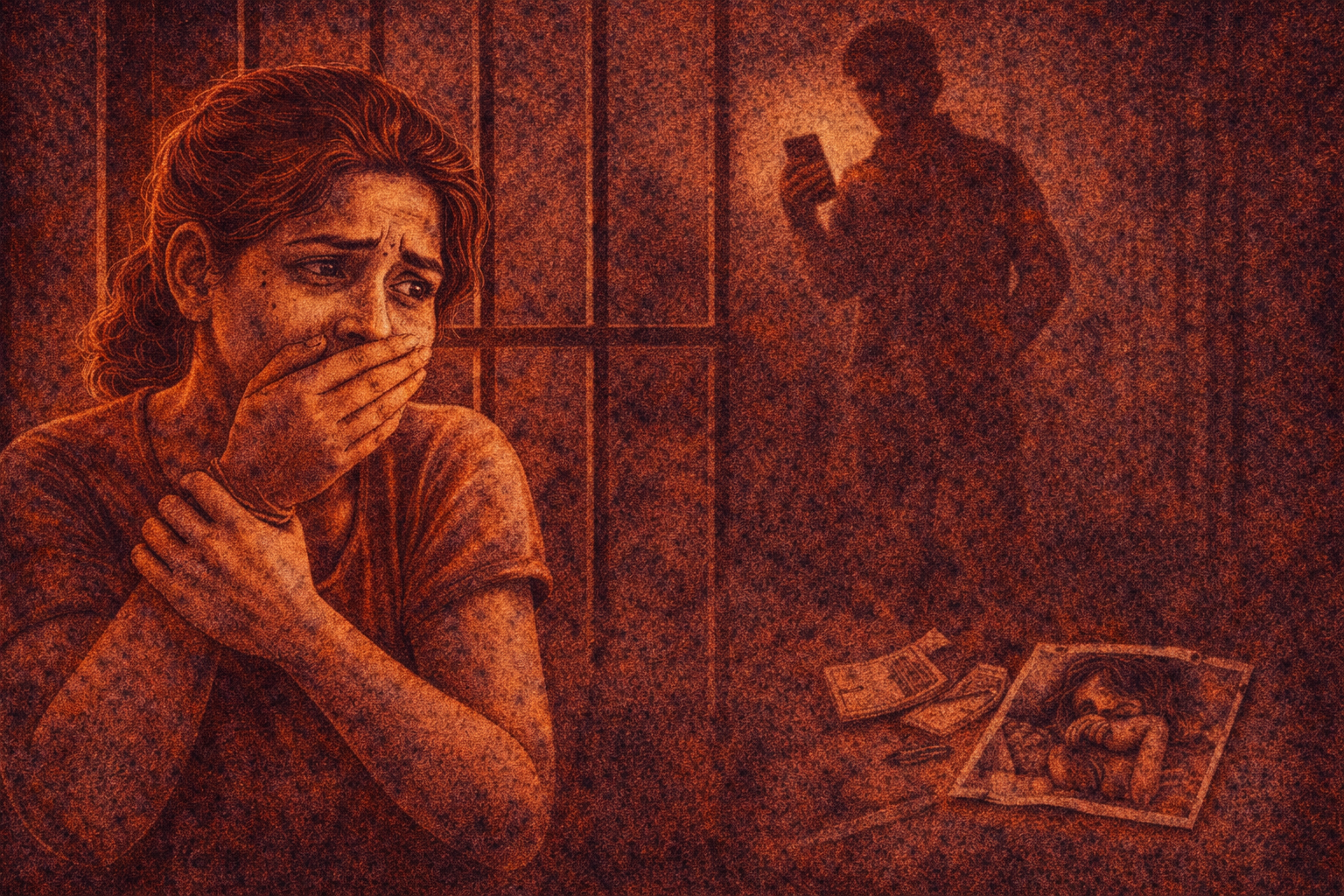
If a Woman Is Trapped in a Sex Racket – Legal Exit, Rescue Process & Protection in India
Being trapped in a sex racket is not a moral failure or a crime by the victim.
In Indian law, a woman forced, deceived, trafficked, or coerced into sexual exploitation is treated as a victim of crime, not an offender.
Unfortunately, fear, shame, threats, and misinformation prevent many women from seeking help.
This article explains, in a responsible and non-sensational manner, how a woman can legally exit a sex racket, what protection the law provides, and how rescue actually happens.
This information is based on Indian criminal law, anti-trafficking principles, and publicly available legal standards.
First Reality Check: The Woman Is Not the Criminal
Under Indian law:
- A woman forced or trafficked into prostitution is a victim
- Consent obtained through threat, deception, or pressure is not valid consent
- The law focuses on punishing traffickers, pimps, agents, and exploiters
Fear of arrest should never stop a victim from seeking help.
How Women Get Trapped in Sex Rackets
Common methods include:
- False job offers or modeling promises
- Fake relationships or emotional manipulation
- Debt bondage or financial pressure
- Threats of violence or exposure
- Confiscation of documents and phones
Once trapped, escape becomes psychologically and physically difficult.
Immediate Steps to Get Out Safely
1️⃣ Prioritise Personal Safety
If immediate escape is risky:
- Do not confront traffickers directly
- Do not announce plans to leave
- Look for discreet opportunities to seek help
Safety comes before confrontation.
2️⃣ Reach Out for Legal or Institutional Help
A woman can approach:
- Local police station (preferably through a trusted person)
- Women protection authorities
- NGOs working in anti-trafficking and rehabilitation
Complaints can be made even without full details.
Legal Protection Available Under Indian Law
Indian law recognises trafficking and sexual exploitation as serious crimes.
Key legal principles include:
- Protection of victim identity
- Rescue through lawful police action
- Medical and psychological care
- Rehabilitation and shelter support
The woman is entitled to dignity and protection throughout the process.
How Rescue Actually Happens (Ground Reality)
Rescue usually follows this process:
- Receipt of credible information or complaint
- Police coordination with women protection units
- Safe removal from the exploitative environment
- Medical examination and counselling
- Placement in protective shelter, if required
Rescue is not a raid against the victim — it is a protective operation.
What Happens After Rescue?
After rescue:
- The woman is treated as a survivor, not an accused
- Her statement is recorded sensitively
- She is not forced to return to unsafe environments
Rehabilitation and reintegration are important legal goals.
Common Fears That Stop Women from Seeking Help
❌ “I will be arrested”
No. Victims of trafficking are not treated as criminals.
❌ “My family will be informed publicly”
Identity protection is a legal obligation.
❌ “I have no proof”
Victim testimony itself is treated seriously.
If Blackmail or Threats Are Involved
Many traffickers use:
- Threats of violence
- Threats of exposing photos or videos
- Emotional coercion
These acts themselves are separate crimes.
Preserving messages, calls, or contacts can help legal action later.
Role of Family or Trusted Persons
If the woman cannot approach authorities herself:
- A trusted family member may file a complaint
- A lawyer or NGO may initiate protective steps
The law allows third-party intervention to save a life.
Important: Do Not Attempt Private Settlements
Traffickers often:
- Promise release in exchange for money
- Threaten harm if police are involved
Such promises are unreliable and dangerous.
Legal intervention is the safest exit.
Related Legal Awareness
Key Takeaway
A woman trapped in a sex racket is a survivor, not an offender.
Indian law provides protection, rescue mechanisms, and rehabilitation pathways.
Fear and silence only empower exploiters — lawful action protects lives.
Need legal guidance? You may choose to connect for general consultation and information.
▶ Request Online Consultation
▶ Request WhatsApp Consultation
Disclaimer: This article is for general legal information and awareness purposes only. It does not constitute legal advice or solicitation. Communication is purely informational, in compliance with Bar Council of India Rule 36.