
PF or Gratuity Not Released by Company? Legal Remedies Every Employee Must Know (India)
This article is published by The Legal Warning India and written by Advocate Uday Singh.
One of the most common and frustrating problems faced by employees in India today is that the company is not releasing Provident Fund (PF) or Gratuity even after resignation, termination, or retirement.
Employees repeatedly follow up, send emails, and make calls — yet HR keeps delaying with excuses like:
- “Management approval pending”
- “Accounts team has not cleared it”
- “You left without notice”
- “Company policy does not allow gratuity”
This creates anxiety and financial stress, especially when PF or gratuity amount is urgently needed.
The most common question employees ask is:
“My company is not releasing PF / gratuity. What legal action can I take?”
This article explains your legal rights, remedies, and step-by-step action to recover PF and gratuity in India.
What Is PF and Gratuity Under Indian Law?
Provident Fund (PF)
Provident Fund is a statutory social security benefit governed by the Employees’ Provident Funds and Miscellaneous Provisions Act, 1952.
PF belongs to the employee — not the employer.
Gratuity
Gratuity is governed by the Payment of Gratuity Act, 1972.
An employee who completes 5 years of continuous service is legally entitled to gratuity.
Gratuity is a legal right, not a company favour.
Common Reasons Companies Give for Not Releasing PF / Gratuity
- Employee absconded
- Notice period not served
- Company losses or shutdown
- Pending handover or documents
- Internal HR or finance delays
Legally, none of these reasons automatically cancel PF or gratuity.
Is Company Allowed to Withhold PF or Gratuity?
No.
As per Indian law:
- PF cannot be withheld under any circumstance
- Gratuity can be forfeited only in very limited cases (serious misconduct proven)
- Company policies cannot override statutory law
Withholding PF or gratuity without legal basis is illegal.
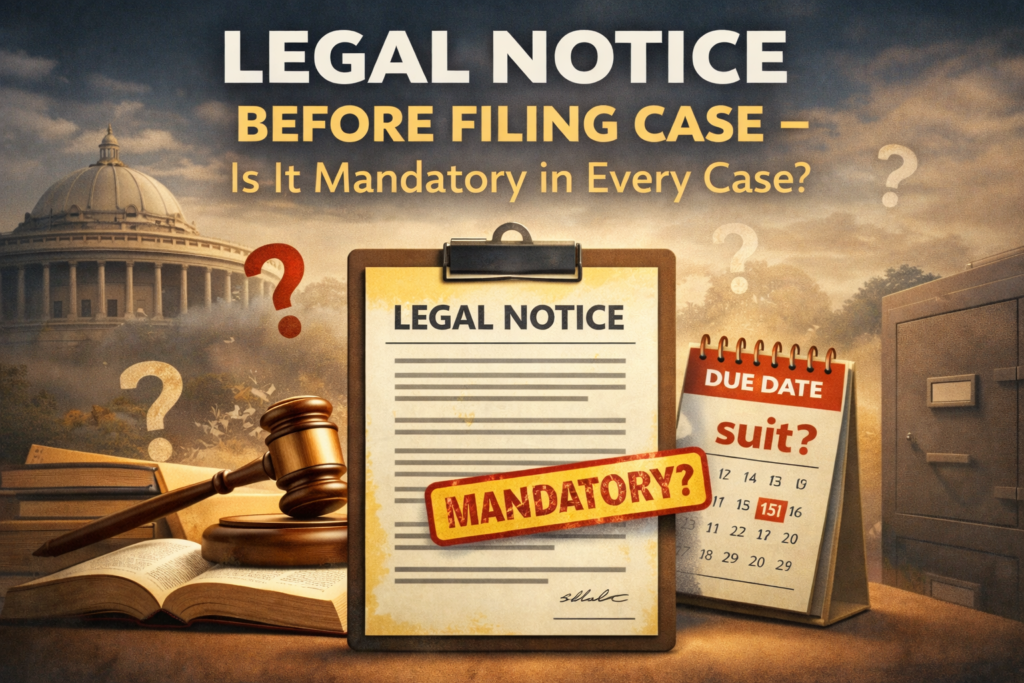
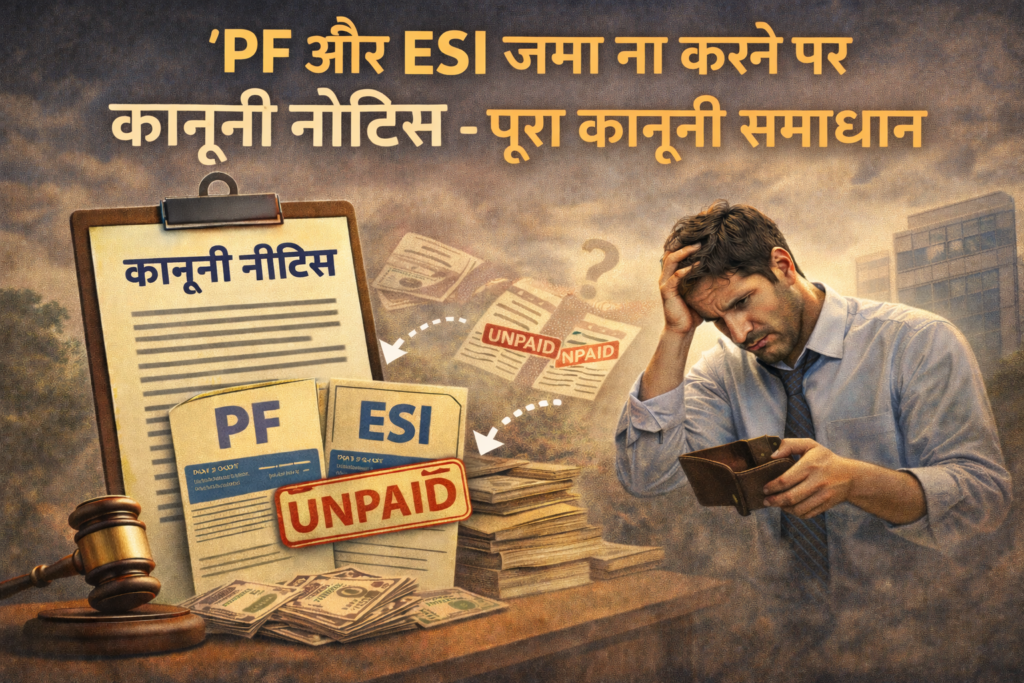
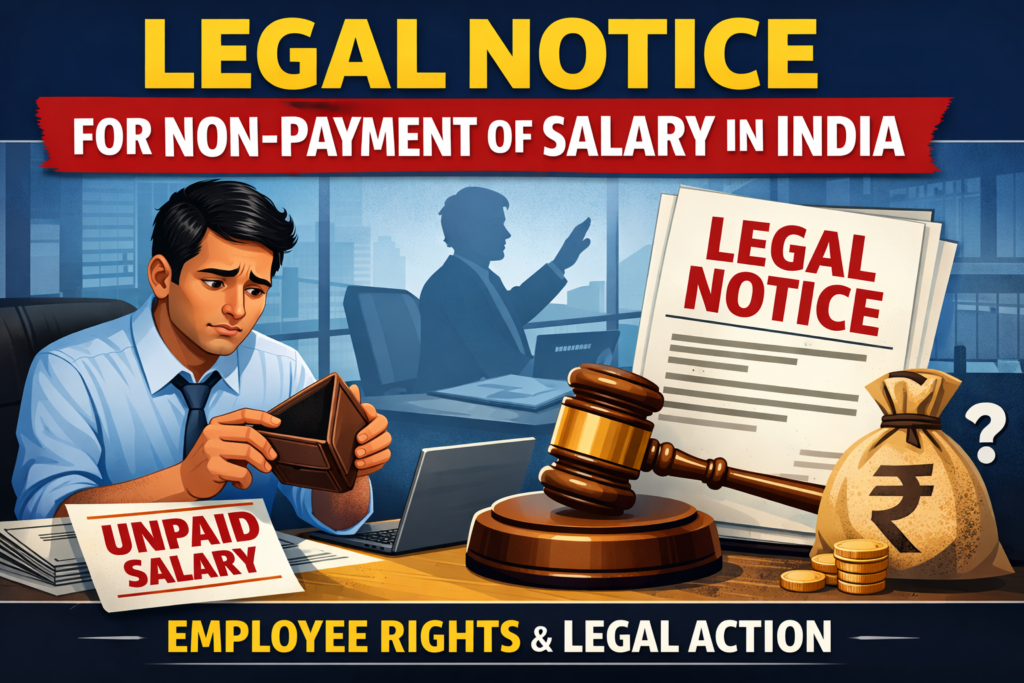
First Step – Send a Legal Notice to the Company
If informal follow-ups fail, the most effective first step is to send a legal notice through an advocate.
A proper legal notice:
- Asserts your statutory rights
- Mentions PF / gratuity amount due
- Sets a clear deadline for release
- Warns of legal consequences
Many companies release PF and gratuity immediately after receiving a legal notice.
Legal Remedies If PF / Gratuity Is Still Not Released
1. Complaint Before PF Authority
PF authorities have powers to direct employers to release PF with interest and penalty.
2. Gratuity Authority (Controlling Authority)
An application can be filed for recovery of gratuity along with interest.
3. Labour Court / Civil Court
In some cases, courts can be approached for recovery and compensation.
Can Interest and Penalty Be Claimed?
Yes. Delay in releasing PF or gratuity can attract:
- Statutory interest
- Penalty on employer
- Compensation for harassment (case-specific)
Common Mistakes Employees Make
- Waiting endlessly without legal action
- Believing HR verbal assurances
- Not sending legal notice
- Fear of blacklisting or references
Delay only weakens your position.
How Employees Can Protect Themselves
- Keep appointment & resignation emails
- Preserve salary slips and PF statements
- Document all HR communications
- Act legally at the first sign of refusal
Related Articles
- Experience Letter Denied After Resignation – Legal Remedy
- Company Holding Full & Final Due to Absconding – Legal Position
Frequently Asked Questions (FAQs)
Q. Can PF be stopped if I abscond?
No. PF is your statutory right.
Q. Can gratuity be denied for notice period issue?
No, unless misconduct is legally proven.
Q. Is legal notice mandatory?
Not mandatory, but highly effective.
This article is for general legal information and awareness purposes only. It does not constitute legal advice or solicitation. Communication is purely informational, in compliance with Bar Council of India Rule 36.