
Legal Notice Received? Documents and Response Preparation Guide
This article is published by The Legal Warning India and written by Advocate Uday Singh.
Receiving a legal notice can be stressful. Whether the notice relates to money recovery, cheque bounce, property, employment, business, loan, consumer dispute or another legal issue, many people immediately panic after reading words such as “legal action”, “court proceedings” or “failure to comply.”
Do not panic. But do not ignore the notice either.
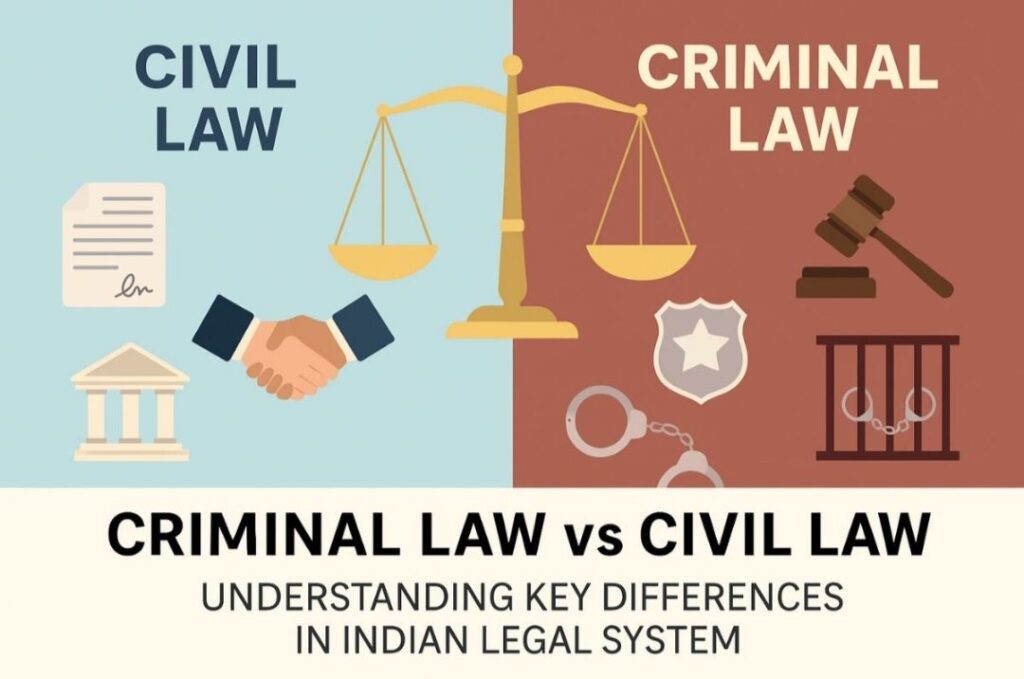
A legal notice does not automatically mean that a court has already decided the matter against you. It is generally a formal communication containing allegations, claims, demands or a legal position taken by the sender.
The most important step is to understand the allegations, preserve relevant documents and verify the facts before sending an emotional reply, making an unnecessary admission or taking any other step.
Received a legal notice?
Before sending an emotional reply or admitting any allegation, keep the complete notice and relevant documents safe.
What Should You Do Immediately After Receiving a Legal Notice?
The first step is simple: read the entire notice carefully.
Do not focus only on threatening language. Instead, identify the actual legal and factual issues.
- Who has sent the notice?
- What exactly is being alleged?
- What amount, action or relief is being demanded?
- Which transaction or incident is mentioned?
- What documents are referred to?
- What dates are important?
- Is a particular period for response mentioned?
Every legal notice is different. The importance of a reply, the applicable procedure and possible next steps can depend on the nature of the dispute and the law applicable to the facts.
Documents You Should Collect Before Preparing a Reply
Before responding, collect the documents connected with the dispute. In many matters, the following records can become important.
1. Complete Copy of the Legal Notice
Keep the complete notice, including:
- All pages of the notice
- Annexures and attachments
- Envelope, where relevant
- Courier or postal details
- Email through which the notice was received
- WhatsApp message or attached PDF, where applicable
Do not alter or delete the original communication.
2. Agreements and Contracts
Collect any agreement connected with the dispute, such as:
- Employment agreement or appointment letter
- Loan agreement
- Business or service agreement
- Partnership deed
- Rent or lease agreement
- Property agreement
- Builder-buyer agreement
- Settlement agreement
3. Payment and Financial Records
For money recovery, loan, business or payment disputes, preserve:
- Bank statements
- UPI payment records
- Payment receipts
- Invoices
- Cheque copies
- Bank return memos, where applicable
- Salary slips
- Outstanding payment calculations
4. Emails, WhatsApp Chats and Messages
Relevant communications may show negotiations, payments, promises, disputes, termination, delivery problems or other important facts.
Preserve relevant records in their original form as far as possible. Avoid editing screenshots, deleting chats or changing digital records.
Electronic and digital records are dealt with under the current framework of the Bharatiya Sakshya Adhiniyam, 2023. The manner in which a particular electronic record may need to be produced or proved can depend on the facts and the proceeding.
Do Not Send an Emotional Reply
One of the most common mistakes after receiving a notice is immediately replying through WhatsApp, email or phone.
For example, statements such as:
- “Yes, I owe the money but I cannot pay now.”
- “I made a mistake.”
- “Do whatever you want.”
- “I will pay everything soon.”
may have consequences depending on the facts and surrounding circumstances.
Similarly, making false counter-allegations or sending threatening messages can create additional complications.
First verify the facts. Then decide the appropriate response.
Not sure which documents are relevant?
Organise the legal notice, agreement, payment records and relevant communication before seeking procedural information.
How Is a Legal Notice Response Generally Prepared?
A proper response is not simply a statement saying that all allegations are false.
The factual and legal position may need to be examined carefully. Depending on the matter, a response may consider:
- Whether the allegations are factually correct
- Whether important facts have been omitted
- Whether the amount claimed is accurate
- Whether the agreement supports the claim
- Whether payments have already been made
- Whether previous communication changes the legal position
- Which allegations require clarification, admission or denial
Different legal notices require different approaches. A cheque bounce notice, property notice, employment dispute notice or contractual recovery notice should not automatically be treated in the same way.
What Happens If You Ignore a Legal Notice?
There is no single answer applicable to every legal notice.
Depending on the dispute, the sender may decide to take the next available legal step after the period mentioned in the notice. In some matters, a reply may also be useful for placing your factual position on record.
Ignoring a notice without understanding it may also mean that you miss important dates or fail to preserve evidence at the right time.
Read Also:
Reply to Legal Notice – What Happens If You Ignore It?
Special Attention for Cheque Bounce, Loan and Money Recovery Notices
Financial notices should be examined carefully because the legal procedure can differ depending on the type of transaction.
A cheque dishonour matter may involve the provisions and statutory procedure under the Negotiable Instruments Act, 1881. Loan, EMI, credit card or other recovery disputes may depend on contractual terms and the particular legal process being relied upon.
Never assume that the same reply period or procedure applies to every financial notice.
Read Also:
- Legal Notice for EMI Default – How to Reply Through Advocate in India
- Cheque Bounce Legal Notice Format and Legal Guide
How to Prepare Your Documents in the Correct Order
A simple way to organise your matter is to create a chronological file containing:
- The complete legal notice
- A short summary of the dispute
- A timeline of important events
- Relevant agreements
- Payment records
- Emails and WhatsApp communication
- Previous notices or replies
- Other documents supporting your version
Your summary should clearly explain:
- Who sent the notice?
- What transaction or relationship is involved?
- What does the sender claim?
- Which facts do you dispute?
- Which documents support your version?
This preparation can help identify the actual dispute instead of reacting only to the language used in the notice.
Need general guidance regarding a legal notice?
You may voluntarily request consultation and procedural information after keeping the complete notice and supporting records ready.
Common Mistakes to Avoid
- Ignoring the notice without reading it carefully
- Sending an immediate emotional reply
- Admitting liability without checking documents
- Deleting WhatsApp chats, emails or other evidence
- Changing or manipulating screenshots
- Missing important dates
- Making unsupported allegations against the other party
- Relying only on verbal advice without checking the actual notice and documents
When Should You Treat the Matter as Time-Sensitive?
Pay particular attention if:
- The notice mentions a specific statutory procedure
- A particular deadline is approaching
- The matter involves cheque dishonour
- The dispute concerns property possession
- There is an employment termination issue
- The notice refers to a court or tribunal proceeding
- You have received an official court summons or notice from a competent authority
A private legal notice and an official court summons are not the same thing. If you have received an official judicial document, identify it correctly and check the applicable procedure without unnecessary delay.
Frequently Asked Questions
Is it compulsory to reply to every legal notice?
No single rule applies to every legal notice. Whether a response is legally required or advisable depends on the nature of the dispute, applicable law, documents and circumstances.
How many days do I have to reply?
Check the specific notice and the law applicable to the matter. Do not assume that the same number of days applies to every legal notice.
Can I reply to a legal notice myself?
The appropriate approach depends on the complexity and facts of the dispute. Any response should be based on verified facts and relevant documents.
Should I save WhatsApp chats and emails?
Yes. Preserve relevant original records and avoid deleting or altering them.
Does receiving a legal notice mean that I will lose the case?
No. A legal notice generally represents the sender’s allegations or legal position. The outcome of any dispute depends on facts, evidence, applicable law and the relevant legal process.
Conclusion
Receiving a legal notice requires facts before reaction.
Do not panic. Preserve the original notice. Record the date of receipt. Collect agreements, payment records, emails, WhatsApp communications and other relevant evidence.
Before replying, understand exactly what is being alleged and check whether your documents support or contradict those allegations.
A careful factual review is usually more useful than an immediate emotional response.
Read Also
- Reply to Legal Notice – What Happens If You Ignore It?
- Legal Notice Before Filing Case – Is It Mandatory?
- Legal Notice for EMI Default – How to Reply
- Explore More Legal Awareness Articles
Need legal guidance? You may choose to connect for general consultation and information.
▶ Request Online Consultation
▶ WhatsApp Consultation Request
Disclaimer: This article is for general legal information and awareness purposes only. It does not constitute legal advice or solicitation. Communication is purely informational, in compliance with Bar Council of India Rule 36.