Government / PWD Contractor Payment Delay – Interest, Legal Notice & Court Remedy
This article is published by The Legal Warning India and written by Advocate Uday Singh.
Across India, thousands of Government and PWD contractors are facing a common and serious problem –
kaam poora ho chuka hai, measurement ho gayi hai, lekin payment mahino ya saalon se atki hui hai.
Chahe PWD, Nagar Nigam, Jal Nigam, Electricity Department, Irrigation, ya kisi bhi Government body ka project ho,
payment delay has become routine.
Contractors often ask:
“Government / PWD contractor ka paisa delay ho raha hai – kya interest mil sakta hai? Legal notice ya court case ka kya process hai?”
This article explains the complete legal roadmap for Government & PWD contractors.
Common Reasons for Government / PWD Payment Delay
- Budget allotment pending
- File movement delay
- Audit objections
- Change of officers
- Internal approvals not cleared
Important:
Administrative delay is not a legal excuse to withhold contractor payment indefinitely.
Is Government Legally Bound to Release Contractor Payment?
Yes.
Once:
- Work is completed
- Measurement is recorded
- Bill is verified
The department becomes legally obligated to release payment within a reasonable time.
Unreasonable delay violates:
- Contract terms
- Principles of fairness
- Right to carry on business
Can Government Contractor Claim Interest on Delayed Payment?
Yes, interest can be claimed.
Interest may be claimed when:
- Contract provides for interest
- Delay is unreasonable
- Department retains money without justification
Courts have repeatedly held that Government cannot enjoy money without compensating the contractor.
First Legal Step – Legal Notice to Government / PWD
Before approaching court, sending a legal notice is extremely important.
What Legal Notice Should Contain:
- Details of work order
- Date of completion
- Bill amount pending
- Period of delay
- Demand for payment with interest
- Warning of legal action
Many departments release payment after receiving a properly drafted legal notice.
Where Should Legal Notice Be Sent?
- Executive Engineer (EE)
- Superintending Engineer (SE)
- Chief Engineer (CE)
- Concerned Department Head
Correct authority selection increases effectiveness.
Court Remedies Available to Government / PWD Contractors
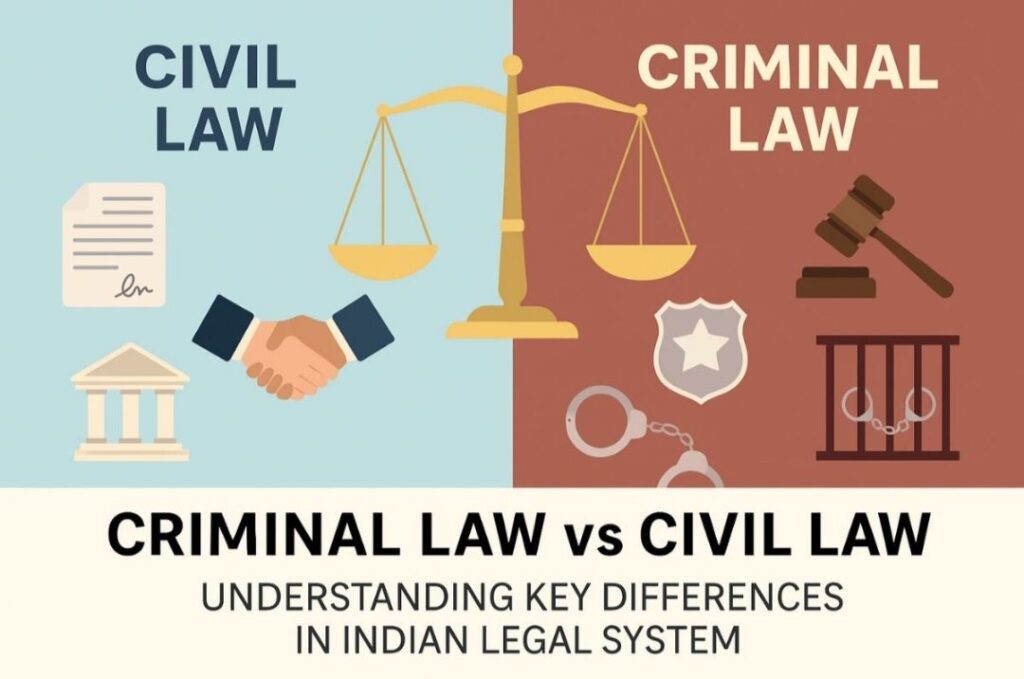
1️⃣ Civil Recovery Suit
- For recovery of principal amount
- Interest and compensation
2️⃣ Writ Petition (In Appropriate Cases)
Where delay is arbitrary and undisputed, writ remedy may be considered.
3️⃣ Arbitration (If Contract Contains Arbitration Clause)
Many PWD contracts have arbitration clauses.
Writ Petition vs Civil Suit – Which Is Better?
- Writ Petition – Faster, limited disputes
- Civil Suit – Detailed evidence, broader relief
Choice depends on facts and contract terms.
Common Mistakes Government Contractors Make
- Only verbal follow-ups
- No written demand
- Fear of blacklisting
- Waiting endlessly for release
Legal delay weakens recovery chances.
Why Advocate-Drafted Legal Notice Is Critical
A professional notice:
- Creates legal pressure
- Fixes accountability
- Becomes court evidence
- Often triggers payment release
Informal letters rarely work.
Frequently Asked Questions (FAQs)
Q. Can Government say “funds not available”?
No, budget issues are internal matters.
Q. Can interest really be awarded?
Yes, courts have awarded interest in multiple cases.
Q. Is legal notice mandatory?
Highly recommended before court action.
Related Articles
This article is for general legal information and awareness purposes only. It does not constitute legal advice or solicitation. Communication is purely informational, in compliance with Bar Council of India Rule 36.