FIR under Section 173 BNSS (Earlier Section 156(3) CrPC) Explained
With the introduction of the Bharatiya Nagarik Suraksha Sanhita, 2023 (BNSS), the criminal procedure law in India has undergone significant changes. One of the most important changes relates to the power of a Magistrate to direct registration of an FIR, which is now governed by Section 173 BNSS, replacing the earlier Section 156(3) of the CrPC.
This article explains the complete procedure, legal position, and practical aspects of filing an application under Section 173 BNSS in a simple and easy-to-understand manner.
What is Section 173 BNSS?
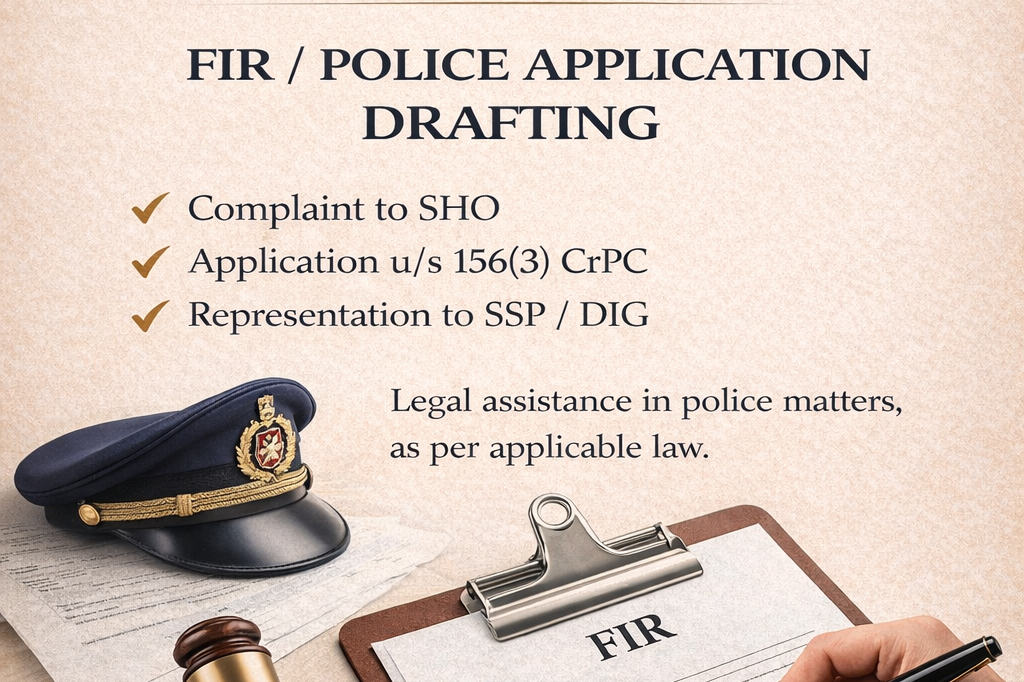
Section 173 of BNSS empowers a Judicial Magistrate to direct the police to register an FIR and conduct investigation in cases where the police have failed or refused to register an FIR despite disclosure of a cognizable offence.
Earlier, this power was exercised under Section 156(3) CrPC. After the enforcement of BNSS, Section 173 BNSS now governs this remedy.
When Can an Application under Section 173 BNSS Be Filed?
An application under Section 173 BNSS can be filed in the following situations:
- Police refuse to register FIR despite disclosure of cognizable offence
- Police delay FIR registration without valid reason
- Complaint discloses serious criminal offence requiring investigation
- Complainant has already approached police authorities
Courts have consistently held that Section 173 BNSS is not a substitute for filing a complaint case but is meant for genuine cases requiring police investigation.
Pre-Conditions Before Filing Section 173 BNSS Application
Before approaching the Magistrate under Section 173 BNSS, the complainant must:
- First approach the local police station under Section 173(1) BNSS
- If refused, approach senior police officers
- Maintain proof of such approach (application, receipt, acknowledgment)
- File affidavit along with Section 173 BNSS application
This requirement is in line with Supreme Court guidelines laid down in Priyanka Srivastava v. State of U.P..
Procedure under Section 173 BNSS
- Draft a detailed application narrating facts and offences
- Attach affidavit verifying contents
- Annex copies of police complaints
- File application before Jurisdictional Magistrate
- Magistrate examines application and material
- If satisfied, Magistrate directs police to register FIR
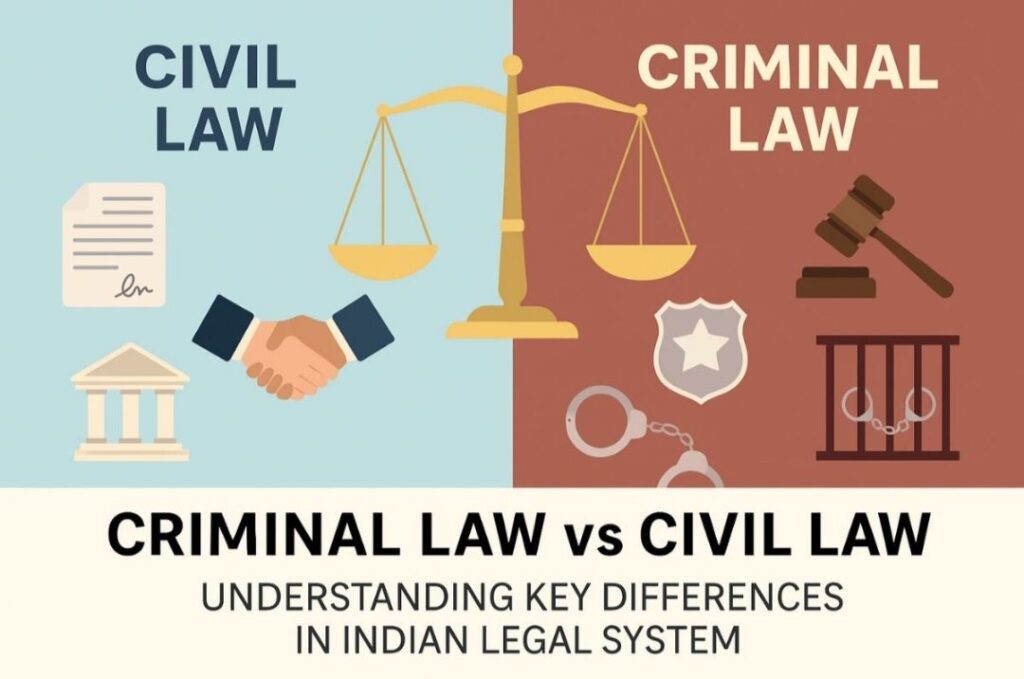
Difference Between Section 173 BNSS and Complaint Case
| Section 173 BNSS | Complaint Case |
|---|---|
| Police investigation ordered | Magistrate records evidence |
| Used for serious cognizable offences | Used for private disputes |
| FIR registered by police | No FIR registration initially |
Can Magistrate Reject Section 173 BNSS Application?
Yes. The Magistrate has discretionary power and may reject the application if:
- No cognizable offence is disclosed
- Application is malicious or false
- Purely civil dispute is given criminal colour
- Mandatory affidavit is missing
Legal Position After BNSS 2023
BNSS has strengthened accountability and transparency in criminal procedure. Courts are now more cautious in directing FIR registration and emphasize responsible use of Section 173 BNSS.
Frivolous applications may attract legal consequences including perjury proceedings.
Practical Advice for Complainants
- Always approach police first
- Keep documentary proof
- Draft application carefully
- Avoid exaggeration or false allegations
- Consult a legal professional if required
Conclusion
Section 173 BNSS continues the judicial safeguard available earlier under Section 156(3) CrPC. It ensures that genuine complainants are not left remediless when police fail to act, while also preventing misuse of criminal law.
Written By:
Uday Singh, Advocate
Practicing Advocate at High Court and District Courts
Antarrashtriya Manavadhikar Association – Prabhari
Disclaimer:
This article is published for general legal information and awareness purposes only. It does not constitute legal advice, solicitation, or advertisement. No advocate-client relationship is created by reading this content. Legal outcomes depend on facts and applicable law.