Summons Aaya Hai – Court Me Nahi Gaye To Kya Hoga? Complete Legal Consequences & Remedies
This article is published by The Legal Warning India and written by Advocate Uday Singh.
Court se summons aana kisi bhi common aadmi ke liye ek panic situation hoti hai.
Log ghabra jaate hain, neend ud jaati hai aur sabse pehla sawal hota hai:
“Agar court ke summons par date ko present nahi hue to kya hoga?”
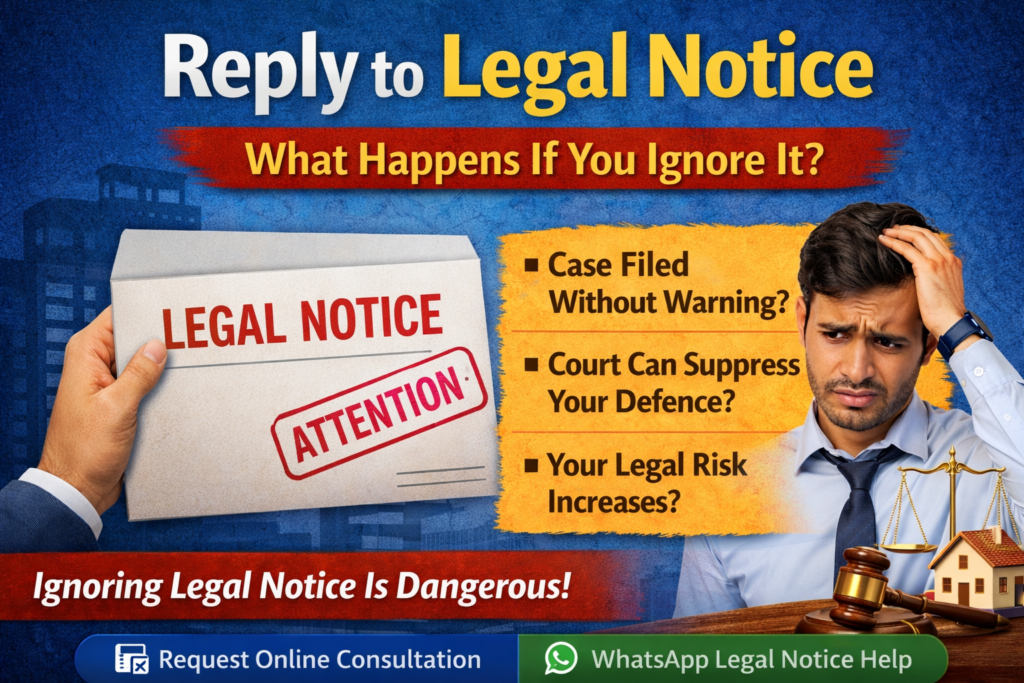
Kai log summons ko lightly le lete hain, ignore kar dete hain ya sochte hain ki baad me dekhenge.
Lekin legally, summons ko ignore karna serious consequences laa sakta hai.
Is detailed guide me hum step-by-step samjhenge:
- Summons kya hota hai
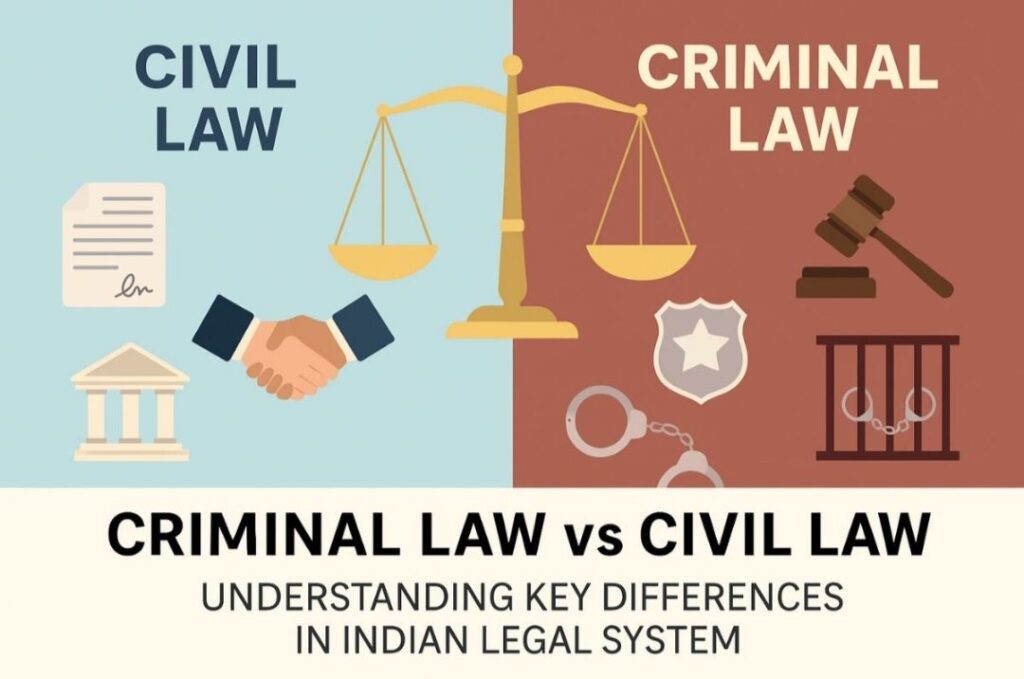
- Civil aur criminal summons me difference
- Non-appearance ke legal consequences
- Warrant, ex-parte order, arrest ka risk
- Late appearance par kya remedies available hain
Summons Kya Hota Hai?
Summons court ka ek official legal document hota hai jiske through:
- Aapko court me hazir hone ko kaha jata hai
- Written statement / reply file karne ko bola jata hai
- Case ke baare me formally inform kiya jata hai
Summons ka matlab hota hai ki court ne aapko legally involve kar liya hai.
Civil Summons Aur Criminal Summons Me Difference
🔹 Civil Case Summons
- Property dispute
- Money recovery
- Injunction / declaration suits
- Contract disputes
Yahan primary purpose hota hai aapka version sunna.
🔹 Criminal Case Summons
- Cheque bounce (138 NI Act)
- Criminal complaint cases
- Summons cases (IPC offences)
Yahan non-appearance ke consequences zyada serious hote hain.
Agar Court Me Date Par Nahi Gaye To Kya Hoga?
Ye depend karta hai:
- Case civil hai ya criminal
- Aap plaintiff ho ya defendant
- Pehli date hai ya repeat non-appearance
Consequences in Civil Case (Agar Aap Court Nahi Gaye)
1️⃣ Ex-Parte Proceedings Start Ho Sakti Hain
Agar defendant date par present nahi hota:
- Court aapke bina case chala sakti hai
- Plaintiff ka evidence record ho jata hai
- Aapka defence sunne ka mauka chala jata hai
2️⃣ Ex-Parte Decree Pass Ho Sakti Hai
Court:
- Aapke khilaf decree pass kar sakti hai
- Property, money, injunction order ho sakta hai
Ex-parte decree ek dangerous situation hoti hai.
3️⃣ Execution Action Start Ho Sakta Hai
- Property attachment
- Bank account attachment
- Police help se possession
Consequences in Criminal Case (Much More Serious)
1️⃣ Bailable Warrant Issue Ho Sakta Hai
Pehle step me court:
- Bailable warrant issue karti hai
- Police ke through presence ensure karwati hai
2️⃣ Non-Bailable Warrant (NBW)
Repeated absence par:
- NBW issue ho sakta hai
- Direct arrest ka risk hota hai
3️⃣ Proclamation & Attachment (Section 82/83 CrPC)
- Aapko proclaimed offender declare kiya ja sakta hai
- Property attach ho sakti hai
Yahan case sirf court ka nahi, police ka bhi ho jata hai.
“Mujhe Summons Mila Hi Nahi” – Kya Ye Defence Hai?
Kabhi-kabhi log kehte hain:
“Summons mujhe mila hi nahi tha.”
Courts dekhte hain:
- Process server ki report
- Speed post tracking
- Affixation report
Agar service valid prove ho jaaye, to excuse accept nahi hota.
Agar Date Miss Ho Gayi Ho To Ab Kya Kare?
Panic mat kariye – remedies available hain.
Step 1: Turant Advocate Se Contact Kare
- Case status check karwaye
- Next date aur order dekhe
Step 2: Appearance + Application File Kare
- Condonation of delay
- Recall of ex-parte order
Step 3: Agar Warrant Issue Ho Gaya Ho
- Bail application
- Warrant cancellation application
Delay badhta gaya to problem bhi badhegi.
Common Mistakes Log Karte Hain
- Summons ignore karna
- Sochna “baad me dekhenge”
- Agent ke bharose rehna
- Court order bina samjhe rehna
Related Panic Articles (Must Read)
- Farzi Civil Case Kharij Kaise Karwaye – Order 7 Rule 11 CPC
- Ex-Parte Injunction Vacate Karne Ka Tarika
- Illegal Demolition Notice – Stay Kaise Milega?
Frequently Asked Questions (FAQs)
Q. Kya court jail bhej sakti hai?
Criminal cases me repeated non-appearance par arrest possible hai.
Q. Civil case me arrest hota hai?
Normally nahi, par execution me detention possible hoti hai.
Q. Kya ex-parte decree cancel ho sakti hai?
Haan, proper application se.
This article is for general legal information and awareness purposes only. It does not constitute legal advice or solicitation. Communication is purely informational, in compliance with Bar Council of India Rule 36.