This article is published by The Legal Warning India and written by Advocate Uday Singh.
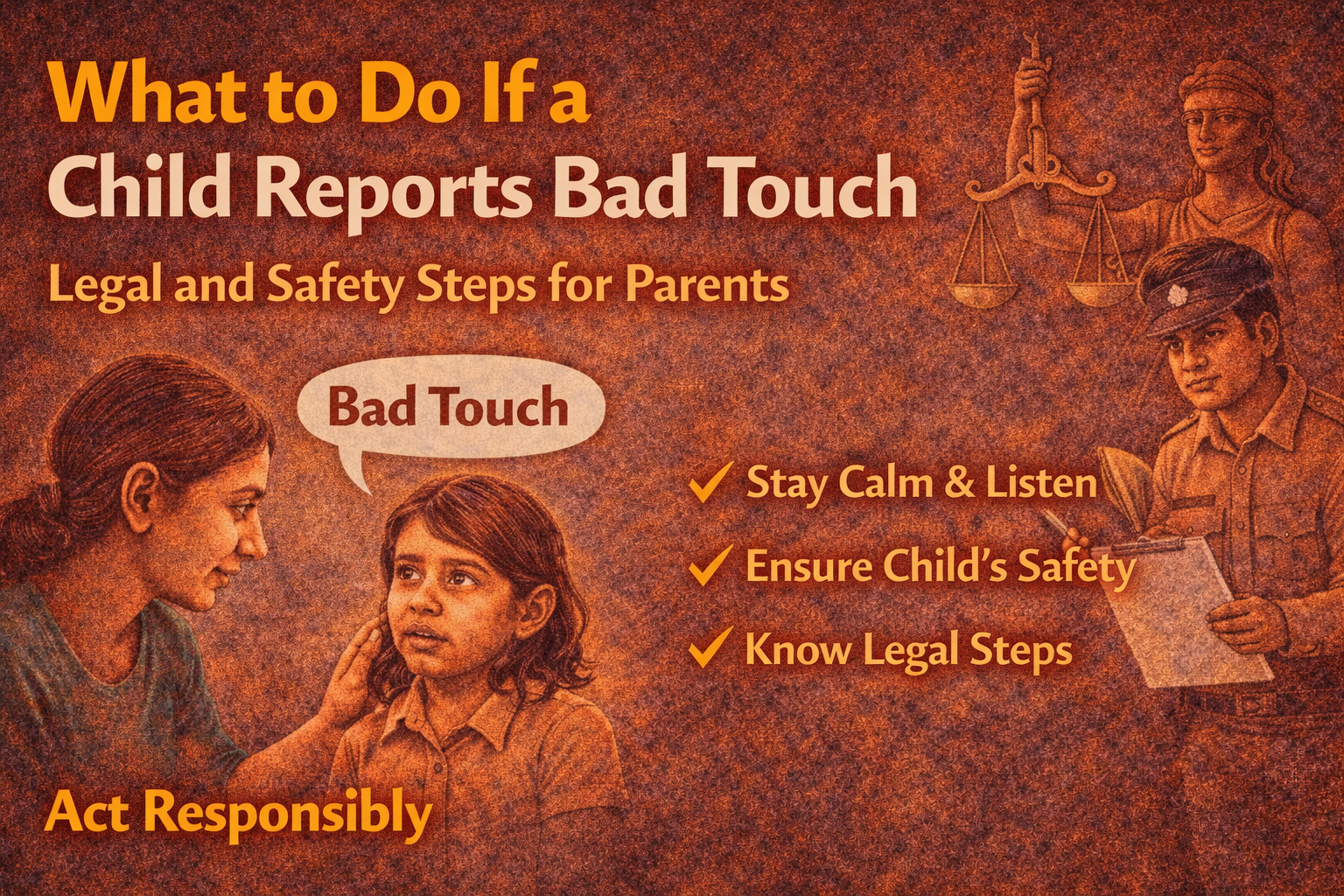
What to Do If a Child Reports Bad Touch – A Step-by-Step Legal and Safety Guide
When a child reports an incident of bad touch, the moment is critical.
The response of parents, guardians, or caregivers can determine whether the child feels protected or further traumatised.
Many families hesitate due to fear, stigma, or lack of legal awareness.
However, silence or delay can expose the child to further harm.
This article explains, in a calm and responsible manner, what must be done immediately, sensitively, and lawfully when a child reports bad touch.
This information is based on child protection principles and publicly accepted legal standards.
First and Most Important Step: Stay Calm and Listen
If a child reports bad touch:
- Remain calm and composed
- Listen patiently without interrupting
- Do not react with shock, anger, or disbelief
The child has already shown courage by speaking up.
Believe the Child
Children rarely fabricate such experiences.
Disbelief or dismissal can:
- Silence the child permanently
- Increase emotional trauma
- Allow continued abuse
Believing the child is the first form of protection.
Do Not Blame or Interrogate the Child
Avoid questions such as:
- “Why didn’t you stop it?”
- “Why didn’t you tell us earlier?”
Instead, reassure the child that:
- They are not at fault
- They did the right thing by speaking up
Ensure the Child’s Immediate Safety
Make sure the child is:
- Separated from the alleged offender
- In a safe and trusted environment
Safety must always come before confrontation.
Avoid Coaching or Rehearsing Statements
Do not:
- Tell the child what to say
- Rehearse statements repeatedly
This may unintentionally affect later legal proceedings.
Understand the Importance of Body Safety Education
Many children are unable to report abuse early because they do not clearly understand body boundaries.
Parents and educators should ensure that children are taught the difference between appropriate and inappropriate touch.
For a detailed explanation, you may read:
Good Touch Bad Touch Explained – A Child Safety and Awareness Guide
Legal Responsibility to Report
Indian law treats child abuse as a serious offence.
Failure to act responsibly or deliberate suppression of information can have legal consequences.
Understanding the reporting process helps protect both the child and the family.
How to Report the Matter Lawfully
Depending on the situation, reporting may be done through:
- The local police station
- A written complaint by a parent or guardian
- Designated child protection authorities
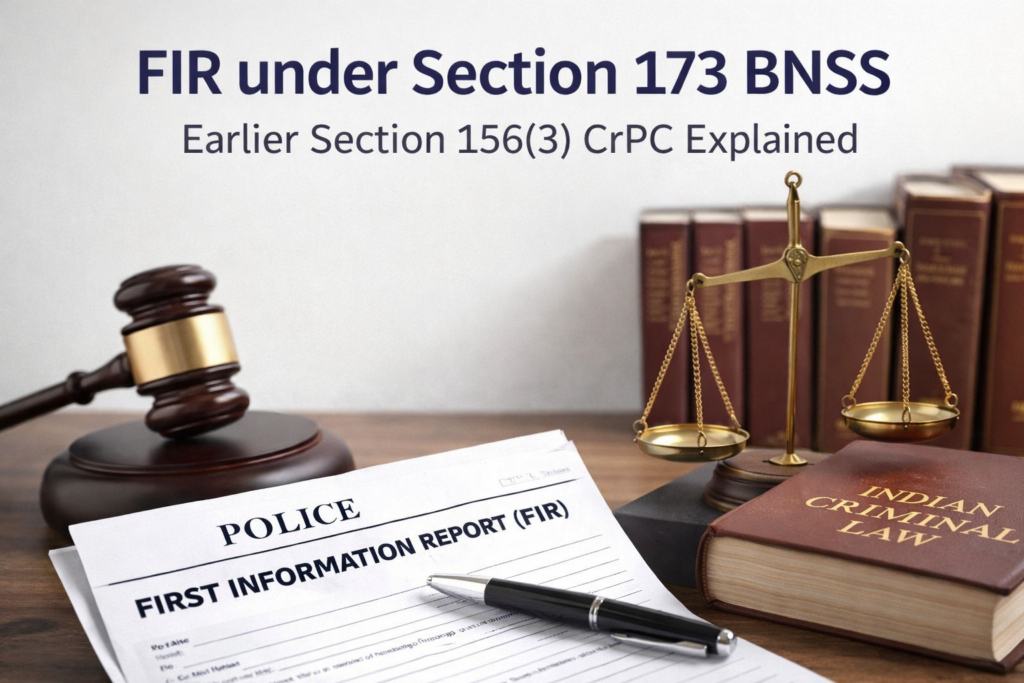
For understanding FIR procedure, refer to:
Protect the Child’s Privacy
The child’s identity must never be disclosed publicly.
This includes:
- Social media posts
- Public discussions
- Sharing details with unnecessary persons
Protecting privacy is both a legal and moral duty.
Seek Emotional and Psychological Support
Trauma may not always be immediately visible.
Watch for:
- Behavioural changes
- Withdrawal or anxiety
- Sleep or appetite disturbances
Professional support may be necessary for healing.
What Should Not Be Done
- Do not confront the alleged offender directly
- Do not attempt private settlements
- Do not delay action due to social stigma
Such actions may compromise the child’s safety and legal protection.
Related Legal Awareness
Key Takeaway
When a child reports bad touch, the adult response must be calm, protective, and lawful.
Listening, believing, and taking responsible steps can prevent further abuse and help the child recover.
Awareness protects children. Silence protects offenders.
Need legal guidance? You may choose to connect for general consultation and information.
▶ Request Online Consultation
▶ Request WhatsApp Consultation
Disclaimer: This article is for general legal information and awareness purposes only. It does not constitute legal advice or solicitation. Communication is purely informational, in compliance with Bar Council of India Rule 36.