Cheque Bounce Legal Notice Format in India: Section 138 Notice Kaise Bheje?
This article is published by The Legal Warning India and written by Advocate Uday Singh.
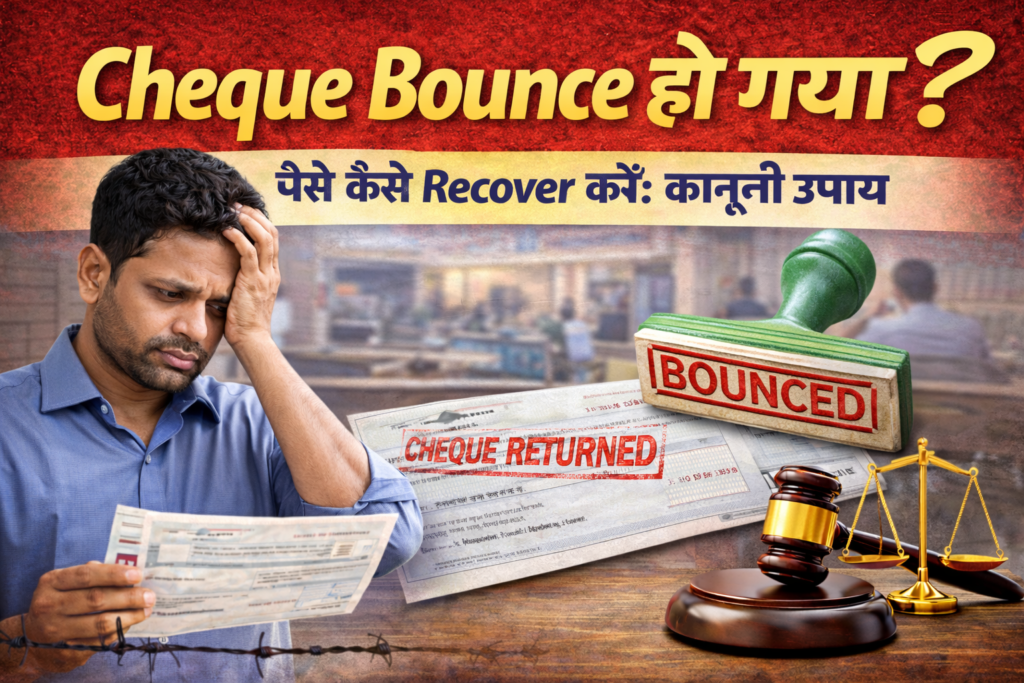
If a cheque issued to you has been dishonoured by the bank, do not treat it as an ordinary payment dispute. A cheque bounce can trigger a specific legal process under the Negotiable Instruments Act, 1881, particularly Section 138, if its statutory requirements are satisfied.
The most important issue is timing. After receiving information from the bank that the cheque has been returned unpaid, the payee generally has to send a written demand notice within 30 days. If the drawer does not make payment within 15 days of receiving the notice, the statutory cause of action can arise. 0
▶ WhatsApp – Discuss Your Cheque Bounce Query
Cheque Bounce Hone Ke Baad Sabse Pehle Kya Karein?
Bank se return memo ya dishonour information obtain karein. Usme cheque return ka reason aur relevant date check karein.
Uske baad ye documents ek jagah ready rakhein:
- Original cheque
- Bank return memo
- Cheque deposit/presentation details
- Bank statement
- Loan, sale, service or other underlying transaction documents
- Invoices or receipts, where applicable
- WhatsApp/email communications
- Any written acknowledgment of the liability
Cheque bounce matter mein underlying transaction bhi important ho sakta hai because Section 138 applies to a cheque issued towards a legally enforceable debt or other liability. 1
Section 138 Mein 30 Days Ka Rule Kya Hai?
Negotiable Instruments Act, 1881 की Section 138 के अनुसार, cheque dishonour की bank information मिलने के बाद payee या holder in due course को drawer को 30 days के भीतर written demand notice देना होता है. 2
Notice में cheque amount की payment की demand करनी चाहिए और drawer को statutory period के बारे में स्पष्ट रूप से inform करना चाहिए.
इस 30-day period को ignore करना risky है. इसलिए bank return memo की date और bank से dishonour information प्राप्त होने की date carefully preserve करें.
Cheque Bounce Notice Ke Baad 15 Days Ka Rule
Section 138 के अनुसार, drawer को notice receive होने के बाद 15 days के भीतर cheque amount pay करने का statutory opportunity मिलता है. यदि उस period में payment नहीं होती, तो Section 138 की prosecution-related cause of action arise हो सकती है. 3
इसका मतलब यह नहीं है कि notice भेजते ही अगले दिन cheque bounce case file किया जा सकता है. Statutory sequence follow करना जरूरी है.
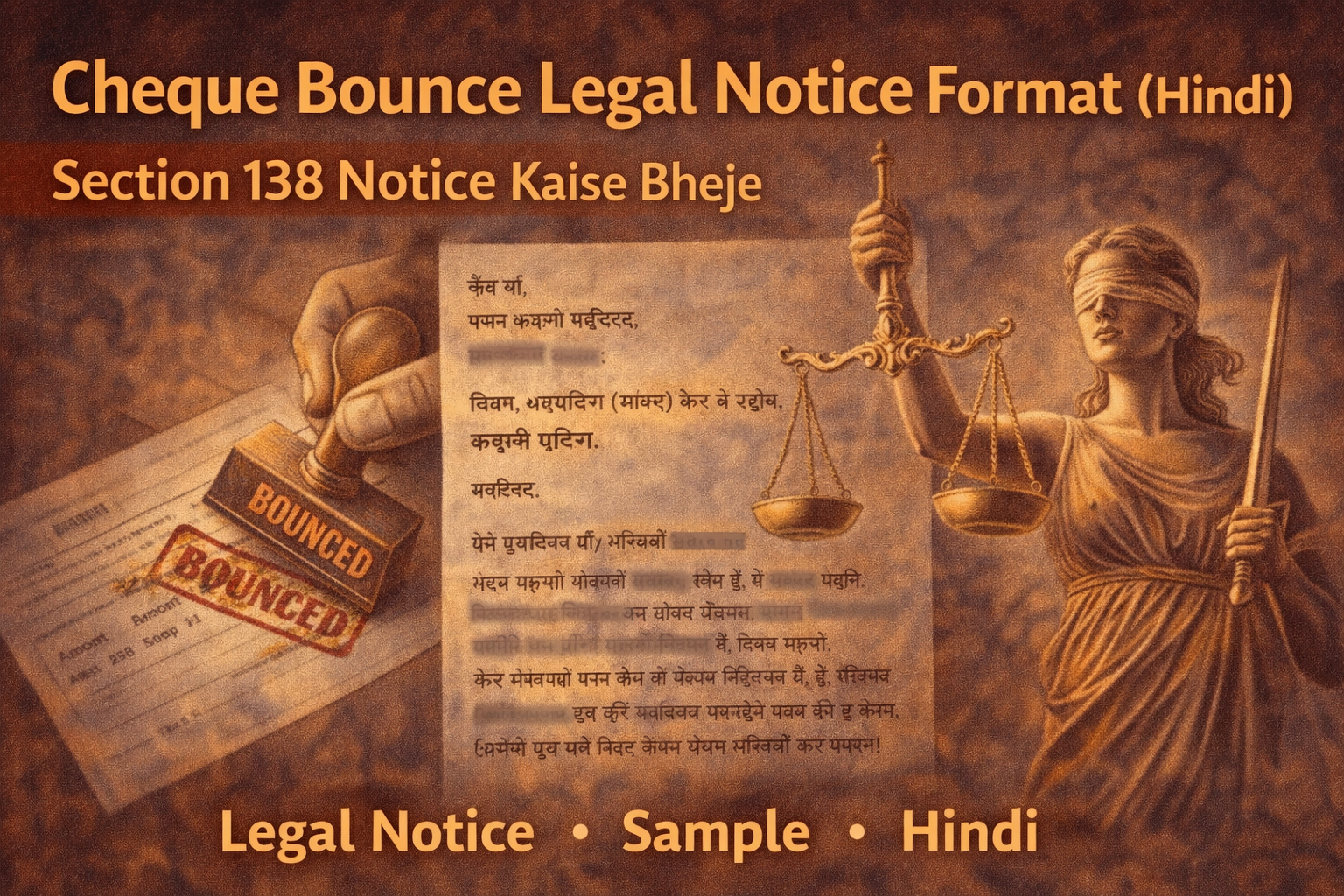
Cheque Bounce Legal Notice Format
नीचे एक general format दिया जा रहा है। Actual notice को transaction और documents के अनुसार customize करना चाहिए.
LEGAL NOTICE
To,
Name of Drawer: __________
Address: __________
Email/Mobile: __________
Subject: Legal Notice under Section 138 of the Negotiable Instruments Act, 1881 regarding dishonour of cheque.
Sir/Madam,
Under instructions from and on behalf of my client __________, I hereby state that you issued cheque bearing No. __________ dated __________ for an amount of ₹__________ drawn on __________ Bank towards discharge of a legally enforceable debt/liability.
The said cheque was presented for payment through my client’s bank, but was returned unpaid vide bank return memo dated __________ with the reason “__________”.
You are therefore called upon to pay the cheque amount of ₹__________ within 15 days from receipt of this notice, failing which my client shall be entitled to take appropriate legal proceedings available under the Negotiable Instruments Act, 1881 and other applicable law, at your risk as to costs and consequences.
This notice is issued without prejudice to all other rights and remedies available to my client under law.
Date: __________
Place: __________
Advocate
Name: __________
Enrollment No.: __________
Address: __________
Notice Mein Kaunsi Details Bilkul Correct Honi Chahiye?
- Drawer का सही नाम
- Drawer का address
- Cheque number
- Cheque date
- Cheque amount
- Bank name
- Cheque presentation date
- Dishonour/return memo date
- Exact return reason
- Underlying legally enforceable liability
- Demand for cheque amount
- Notice dispatch and service details
Cheque number, amount या dates में गलती न करें. Notice भेजने से पहले original cheque और return memo से सभी particulars verify करना practical है.
▶ WhatsApp – Request General Legal Guidance
Cheque Bounce Notice Kaise Send Karein?
Notice भेजने का objective केवल letter भेजना नहीं बल्कि service का reliable record बनाना भी है.
Practical steps:
- Correct drawer address verify करें.
- Notice को written form में prepare करें.
- Relevant documents और cheque details verify करें.
- Traceable delivery method का इस्तेमाल करें.
- Postal receipt और tracking details preserve करें.
- Email/other available communication record भी सुरक्षित रखें, जहां appropriate हो.
- Notice की signed/dated copy अपने records में रखें.
क्या Notice WhatsApp पर भेज सकते हैं?
Electronic communication practical evidence के रूप में useful हो सकती है, लेकिन statutory notice की service के लिए केवल एक messaging platform पर निर्भर रहना उचित नहीं है. Notice service और proof के लिए appropriate legally reliable methods use करना बेहतर है.
Particular case में service का legally sufficient तरीका facts और applicable procedural requirements पर depend कर सकता है.
15 Days Ke Baad Payment Nahi Hui To Kya Karein?
अगर statutory notice duly served होने के बाद भी drawer ने 15 days के भीतर cheque amount pay नहीं किया, तो Section 138 के तहत complaint की possibility arise हो सकती है, subject to all statutory requirements.
Section 142 के अनुसार Section 138 offence पर court cognizance generally payee/holder in due course की written complaint पर लेता है और complaint को prescribed period में file करना होता है. Section 142 limitation और jurisdiction से जुड़े provisions भी contain करती है. 4
इसलिए 30-day notice period और उसके बाद complaint filing limitation—दोनों अलग stages हैं.
Cheque Bounce Case Ki Complaint Kab File Hoti Hai?
15-day statutory payment period expire होने के बाद cause of action arise हो सकती है. Section 142 के अनुसार complaint generally one month from the date on which the cause of action arises के भीतर करनी होती है, although the court may take cognizance after the prescribed period if sufficient cause for delay is established. 5
इसलिए cheque bounce matter में dates की calculation बहुत महत्वपूर्ण है.
Cheque Bounce Case Mein Kitni Punishment Ho Sakti Hai?
Section 138 के तहत conviction होने पर imprisonment up to two years, or fine up to twice the amount of the cheque, or both का statutory punishment provision है. 6
लेकिन किसी particular case में actual outcome court की proceedings, evidence, defence, settlement और applicable law पर depend करता है.
क्या Cheque Bounce Automatically Crime Hai?
हर returned cheque अपने आप Section 138 offence नहीं बनता. Statutory ingredients पूरा होना जरूरी है.
For example, Section 138 का framework legally enforceable debt or liability, prescribed presentation, timely written notice और non-payment जैसी requirements से जुड़ा है. 7
इसलिए cheque return memo देखकर बिना underlying transaction examine किए तुरंत legal conclusion निकालना सही नहीं है.
Cheque Bounce Mein Presumption Kiske Favour Mein Ho Sakta Hai?
Negotiable Instruments Act की Section 139 cheque holder के favour में statutory presumption provide करती है, subject to the Act and evidence. इसका मतलब यह नहीं कि हर case में drawer के पास कोई defence नहीं है. Evidence और circumstances के आधार पर statutory presumption को rebut करने के legal principles लागू हो सकते हैं. 8
Company Ka Cheque Bounce Ho Gaya To?
अगर cheque किसी company या firm से संबंधित है, तो Section 141 का framework relevant हो सकता है. Liability केवल designation देखकर automatically तय नहीं होती; statutory requirements और उस समय business conduct के लिए responsibility जैसे factors important हो सकते हैं. 9
इसलिए company cheque bounce case में company details, signatory, directors/partners और transaction documents carefully verify करें.
क्या Cheque Bounce Case Mein Money Recovery Bhi Ho Sakti Hai?
Section 138 proceedings का objective केवल punishment नहीं है; practical outcome में payment/settlement भी important role निभा सकता है. लेकिन recovery guaranteed नहीं है.
Case की nature के अनुसार civil recovery remedy भी separately relevant हो सकती है. Cheque bounce case और civil recovery proceedings को automatically identical remedy नहीं समझना चाहिए.
▶ WhatsApp – Discuss Your Cheque Recovery Options
क्या Notice Ke Baad Settlement Ho Sakta Hai?
हाँ, parties dispute को settle करने की कोशिश कर सकती हैं. Negotiable Instruments Act की Section 147 offences under the Act को compoundable बनाती है. 10
लेकिन settlement terms को properly document करना और payment वास्तव में receive होने की स्थिति को verify करना important है.
Interim Compensation Ka Provision Bhi Hai
Negotiable Instruments Act की Section 143A कुछ circumstances में court को interim compensation order करने की power देती है. यह automatic payment या guaranteed relief नहीं है; statutory conditions और judicial order relevant होंगे. 11
Cheque Bounce Notice Mein Common Mistakes
- 30-day notice period miss करना
- Cheque number गलत लिखना
- Wrong cheque amount mention करना
- Return memo की date गलत लिखना
- Drawer का गलत address इस्तेमाल करना
- Underlying liability को properly describe न करना
- Notice service का proof preserve न करना
- 15-day period खत्म होने से पहले premature case file करना
- Complaint filing limitation miss करना
- Original cheque/return memo सुरक्षित न रखना
अगर Drawer Notice Receive Karne Se Mana Kare?
Notice service के disputed cases में delivery attempt, address, postal tracking और returned envelope जैसे records important हो सकते हैं. इसलिए notice भेजने का complete record preserve करें.
Service का legal effect particular facts और applicable law/judicial principles पर depend कर सकता है. केवल “उसने notice लेने से मना कर दिया” कहकर बिना proof के conclusion निकालना उचित नहीं है.
अगर Cheque “Account Closed” या “Payment Stopped” के कारण Bounce हुआ?
Cheque return reason महत्वपूर्ण है, लेकिन केवल return reason देखकर Section 138 की applicability का final conclusion नहीं निकालना चाहिए. Supreme Court के अनेक decisions ने अलग-अलग dishonour reasons और statutory ingredients पर principles विकसित किए हैं.
इसलिए return memo के exact wording और underlying transaction को examine करना जरूरी है.
Cheque Bounce Case Ke Liye Evidence Checklist
- Original cheque
- Bank return memo
- Bank statement
- Loan/agreement/invoice
- Payment history
- WhatsApp/email communication
- Demand communications
- Legal notice copy
- Postal receipt
- Tracking report
- Notice delivery/return proof
- Any acknowledgment of debt
Original documents और electronic records को preserve करें. Evidence को edit, delete या manipulate न करें.
Cheque Bounce Case Ka Simple Timeline
- Cheque issued
- Cheque presented within applicable validity period
- Cheque dishonoured
- Bank return information received
- Within 30 days: written demand notice
- 15 days from receipt of notice: payment opportunity
- Payment not made: cause of action may arise
- Section 142 limitation के अनुसार complaint filing
Section 138 में cheque presentation के लिए current statutory text cheque date से six months or its validity period, whichever is earlier का reference देता है. 12
अगर आपका Cheque Bounce Ho Gaya Hai
Return memo की date आज ही note करें. इसके बाद 30-day notice period की calculation करें और original cheque, bank memo, underlying debt documents और payment records सुरक्षित रखें.
Notice को casually copy-paste करने के बजाय transaction के facts के अनुसार prepare करना बेहतर है.
Read Also
- Money Recovery के लिए Legal Notice कैसे भेजें?
- Money Given to Friend Without Agreement – Legal Recovery Options
- More Legal Awareness Articles
Frequently Asked Questions
1. Cheque bounce होने के बाद legal notice कितने दिन में भेजना होता है?
Bank से cheque dishonour की information मिलने के बाद Section 138 के तहत written demand notice सामान्यतः 30 days के भीतर भेजना होता है. 13
2. Cheque bounce notice मिलने के बाद कितने दिन में payment करनी होती है?
Drawer को notice receive होने के बाद 15 days के भीतर cheque amount pay करने का statutory period मिलता है. 14
3. क्या notice भेजे बिना cheque bounce case file कर सकते हैं?
Section 138 prosecution के statutory conditions में written demand notice और उसके बाद non-payment महत्वपूर्ण requirements हैं. इसलिए prescribed notice process को follow करना जरूरी है. 15
4. Cheque bounce case कब file करना होता है?
15-day payment period expire होने के बाद cause of action arise हो सकती है. Section 142 के अनुसार complaint generally cause of action की date से one month के भीतर file की जानी चाहिए, subject to the statutory provision for condonation of delay for sufficient cause. 16
5. Cheque bounce की maximum punishment क्या है?
Section 138 के तहत imprisonment up to two years, fine up to twice the cheque amount, or both का provision है. 17
6. क्या cheque bounce case में settlement हो सकता है?
हाँ. Negotiable Instruments Act की Section 147 offences under the Act को compoundable बनाती है, subject to the applicable legal process. 18
7. क्या company का cheque bounce होने पर directors automatically liable होते हैं?
Automatically नहीं. Section 141 के statutory requirements और उस व्यक्ति की role/responsibility जैसे factors relevant होते हैं. 19
अगर सामने वाले ने आपका Cheque Bounce कर दिया है
Return memo संभालकर रखें, 30-day notice deadline calculate करें और underlying debt के documents तैयार करें. Notice service का proof भी preserve करें.
अगर 15 days के statutory period के बाद payment नहीं होती, तो Section 138 और Section 142 के applicable requirements के अनुसार आगे की proceedings पर विचार किया जा सकता है.
▶ WhatsApp – Request Procedural Information
Conclusion
Cheque bounce matter में सबसे बड़ी गलती deadline miss करना है. Section 138 के तहत bank dishonour information मिलने के बाद 30 days के भीतर demand notice, notice receipt के बाद 15 days का payment period और उसके बाद Section 142 की complaint limitation—इन stages को अलग-अलग समझना जरूरी है. 20
साथ ही केवल cheque और return memo पर निर्भर न रहें. Underlying legally enforceable debt, transaction documents, bank records और notice-service proof को properly preserve करें.
Need legal guidance? You may choose to connect for general consultation and information.
Disclaimer: This article is for general legal information and awareness purposes only. It does not constitute legal advice or solicitation. Communication is purely informational, in compliance with Bar Council of India Rule 36.
Image used for illustration purposes only.
“