
Anticipatory Bail under Section 482 BNSS: A Complete Guide to the New Law
Published by Legal Warning India | Author: Advocate Uday Singh
With the implementation of the Bharatiya Nagarik Suraksha Sanhita (BNSS), 2023, the landscape of criminal law in India has shifted significantly. One of the most critical changes is the provision for Anticipatory Bail, which has moved from Section 438 of the old CrPC to Section 482 of the BNSS.
If you are facing the threat of arrest or have been wrongly named in an FIR, understanding this new section is crucial for your legal defense.
What is Section 482 of BNSS?
Under the new code, Section 482 of BNSS empowers the High Court and the Court of Session to direct that a person be released on bail in the event of an arrest. This is commonly known as “Anticipatory Bail” or “Pre-arrest Bail”.
It is important not to confuse this with the old Section 482 of CrPC (which dealt with the inherent powers of the High Court/Quashing). In the new BNSS, the provision for Anticipatory Bail is specifically under Section 482.
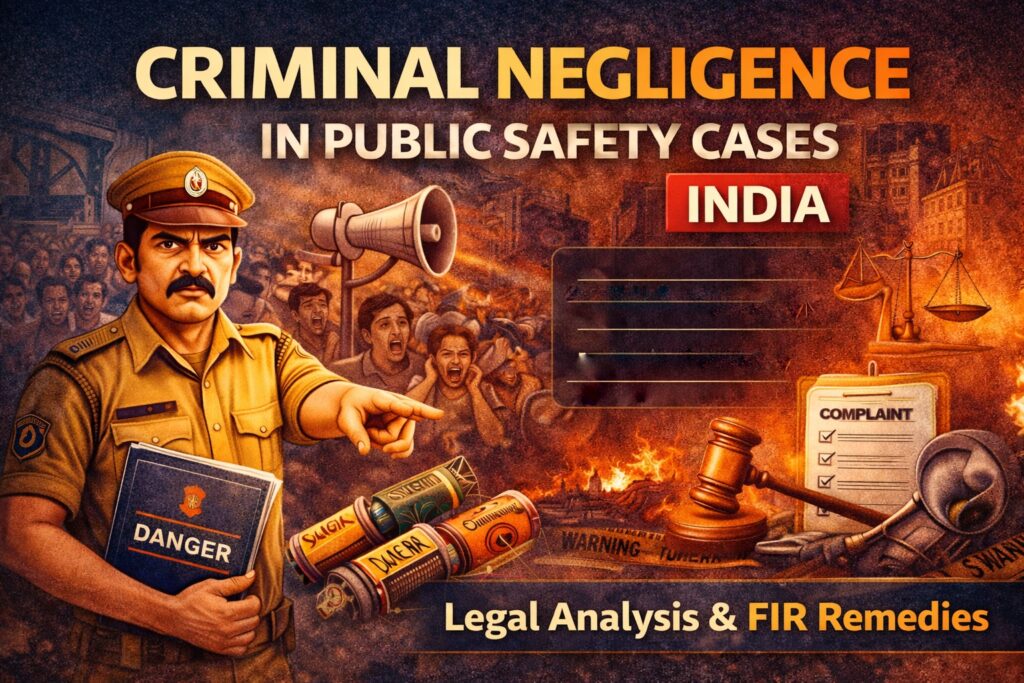
Note: If an FIR has already been registered against you, you should also read our detailed guide on FIR under Section 173 BNSS (Earlier 156(3) CrPC) Explained to understand police procedures.
Key Changes in Anticipatory Bail Rules (2025)
The BNSS introduces several nuances to the bail process to ensure justice is balanced with the rights of the accused:
- Jurisdiction: Both the Sessions Court and the High Court have concurrent jurisdiction to grant anticipatory bail.
- Conditions: The court may impose conditions such as surrendering your passport, not leaving the country without permission, or cooperating with the investigation.
- Factors Considered: The nature of the accusation, the applicant’s criminal history, and the possibility of fleeing justice are key factors.
When Should You Apply?
You should consider moving an application under Section 482 BNSS if:
- You have a reasonable apprehension of arrest in a non-bailable offense.
- You are a victim of a false complaint due to personal enmity or business rivalry.
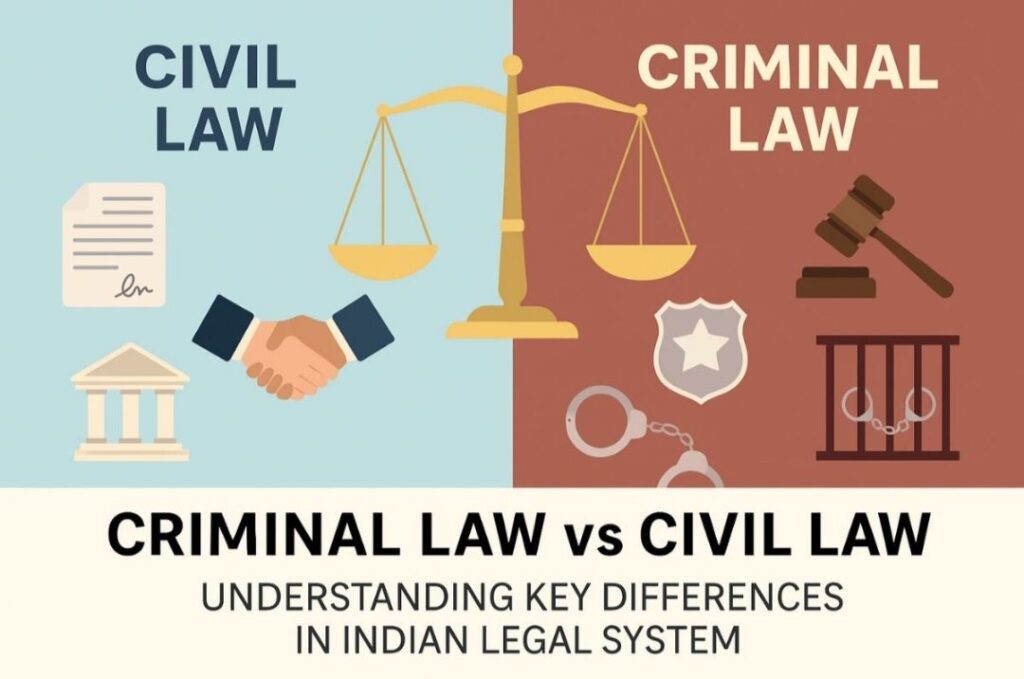
- You are involved in a dispute that is civil in nature (like a property dispute) but has been given a criminal color. (Read more: Difference Between Civil Recovery and Criminal Case).
Financial Disputes and Section 138
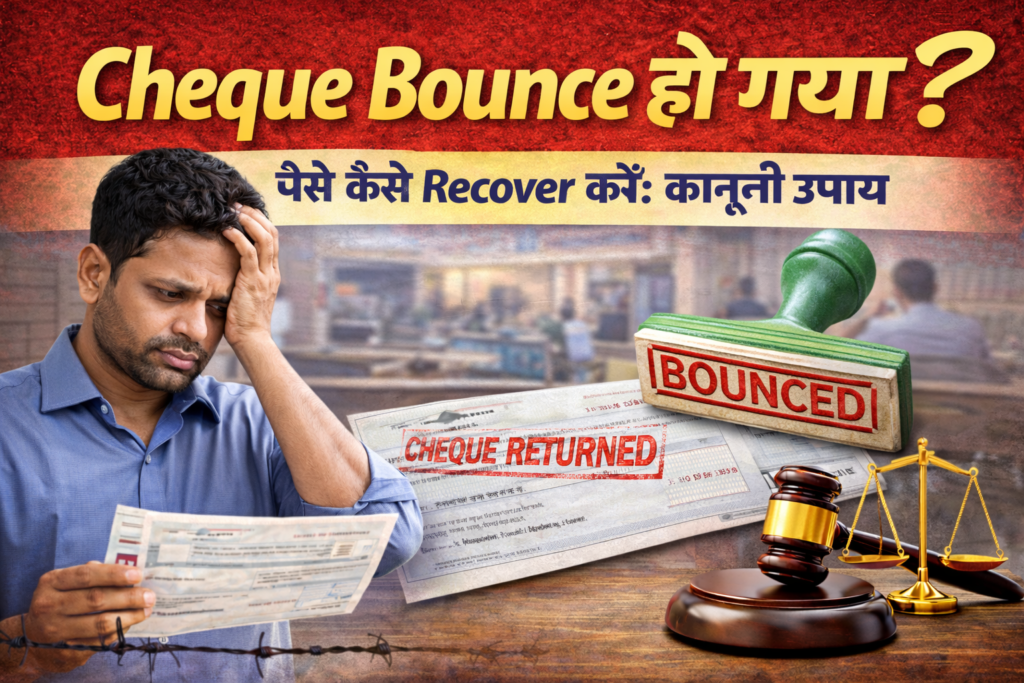
Often, anticipatory bail is sought in financial fraud cases. However, for cases related strictly to cheque bounces, the procedure is different. Check our guide on Cheque Bounce Case (Section 138 NI Act) for specific remedies in those matters.
How Legal Warning India Can Help
At Legal Warning India, led by Advocate Uday Singh, we specialize in providing procedural clarity for bail matters in Allahabad (Prayagraj) and across Uttar Pradesh. We assist in drafting strong bail applications that highlight the merits of your case effectively before the Hon’ble Courts.
Need Legal Assistance regarding Anticipatory Bail?
Get professional guidance on your case details.