
This article is published by The Legal Warning India and written by Advocate Uday Singh.
Received an APK file on WhatsApp from someone claiming to be customer support? Do not install it. Recent reports and cyber-safety advisories have highlighted fraud involving malicious Android apps shared through messaging platforms. Depending on the app and permissions granted, criminals may try to access messages, OTPs, banking information or misuse the phone to facilitate unauthorised transactions.
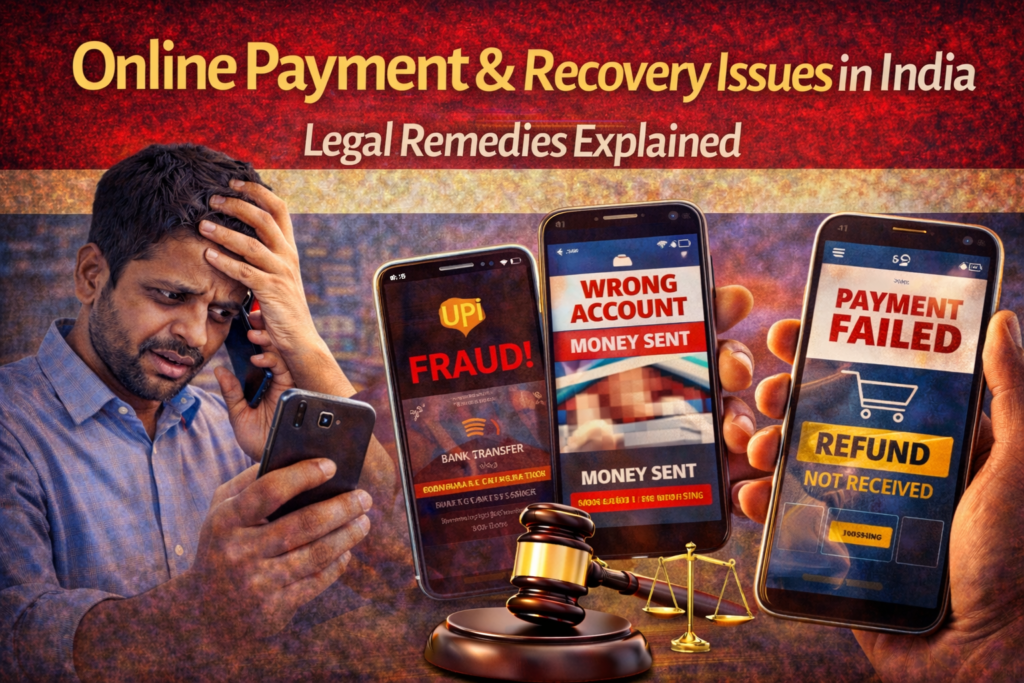
If money has already been debited, act quickly. Call your bank using its official number, report the suspected cyber financial fraud on 1930, and submit a complaint at the National Cyber Crime Reporting Portal. Reporting does not guarantee recovery, but prompt reporting may help authorities and banks take time-sensitive action.
How the WhatsApp APK fraud may happen
- A person contacts you while pretending to be a bank, UPI, courier, electricity or customer-support executive.
- They send an APK file or a link and ask you to install an app to solve a problem, verify an account or obtain a refund.
- The app may request sensitive permissions or display a convincing fake screen.
- Depending on the malware and access obtained, the fraudster may attempt to misuse SMS, notifications, accessibility features, credentials or banking sessions.
- Unauthorised transfers may then appear in your bank account. The exact method must be established from device and transaction evidence; an APK installation alone does not prove precisely how the money was taken.
What to do immediately if money is deducted
- Call 1930 promptly. Provide the transaction details and follow the instructions given by the helpline.
- Notify your bank or payment provider. Use the official app, website or number printed on your card. Ask them to register the fraud complaint, secure the account and provide a complaint/reference number.
- File the online complaint. Visit cybercrime.gov.in, select the relevant financial-fraud reporting option and preserve the acknowledgement number.
- Secure the phone from a separate trusted device if possible. Contact your bank, block or reset affected payment access as advised, and change compromised passwords. Do not enter banking credentials on the suspected phone until it has been checked.
- Preserve evidence. Save the WhatsApp chat, sender number, APK filename, download link, call logs, bank SMS, transaction IDs, UPI reference numbers, account statement and complaint acknowledgements. Do not edit or delete the original evidence.
- Report to local cyber police/police when appropriate. Provide the bank complaint and cybercrime acknowledgement. Ask for a copy or number of any formal complaint/FIR registered.
WhatsApp – Request General Legal Guidance: Message here
What evidence should you keep?
- Bank statement showing the debit, date, time and amount.
- UPI transaction ID/RRN or other payment reference and the recipient details shown by the bank.
- WhatsApp chat export or screenshots, sender profile/number, call history and the original link or file details.
- SMS/email transaction alerts, bank complaint number and 1930/NCRP acknowledgement.
- Phone model, Android version, app name, installation time and any permissions granted, if known.
Keep originals where possible. Do not forward the suspicious APK to other people or upload it publicly. If technical examination may be needed, ask the investigating officer or a qualified digital-forensics professional how to preserve the device and its data.
Can the money be recovered?
Recovery depends on factors such as how quickly the incident is reported, the route taken by the funds, whether the recipient account still holds money, bank and payment-provider action, and the investigation. No person can honestly guarantee recovery. Keep following up with the bank and the investigating authority using your complaint references, and retain written responses.
If a UPI app does not show the transaction, do not assume that no transfer occurred. Request the bank statement and transaction details from the bank that holds the debited account. The bank’s records and relevant payment references can help identify the payment rail and trace the complaint.
Related guides
- Fake Customer Care Number Scam: What to Do
- Remote Access App Scam: AnyDesk or Screen-Sharing Fraud
- UPI Fraud: How to File a 1930 Complaint
- WhatsApp Chats as Evidence in India
WhatsApp – Discuss Your Legal Query: Message here
WhatsApp – Request Procedural Information: Message here
WhatsApp – Request General Consultation: Message here | Consultation page
Frequently asked questions
Can someone steal money just because I opened a WhatsApp message?
Opening an ordinary message does not by itself establish that money can be taken. Risk increases when a person installs an untrusted app, grants sensitive permissions, shares credentials/OTP, or follows instructions that enable unauthorised access. The exact facts and device evidence matter.
Should I uninstall the suspicious APK?
Prioritise contacting the bank and securing accounts. Avoid using the suspected phone for banking. Preserve relevant evidence first where safe and practical, and seek guidance from cyber police or a qualified technician before resetting the device if evidence may be needed.
Is entering a UPI PIN required to receive a refund?
No. A UPI PIN is generally used to authorise a payment, not to receive money. Never disclose your UPI PIN or OTP to a caller or support agent.
Which details should I give the bank?
Give the debit date, amount, transaction reference, account details through the bank’s official channel, and the cybercrime complaint acknowledgement. Ask for a complaint number and written status.
Conclusion
Never install an APK sent by an unknown or unverified person on WhatsApp, even if they claim to be customer support. If unauthorised money is debited, report it immediately, secure the account, preserve the evidence and keep a written record of every complaint.
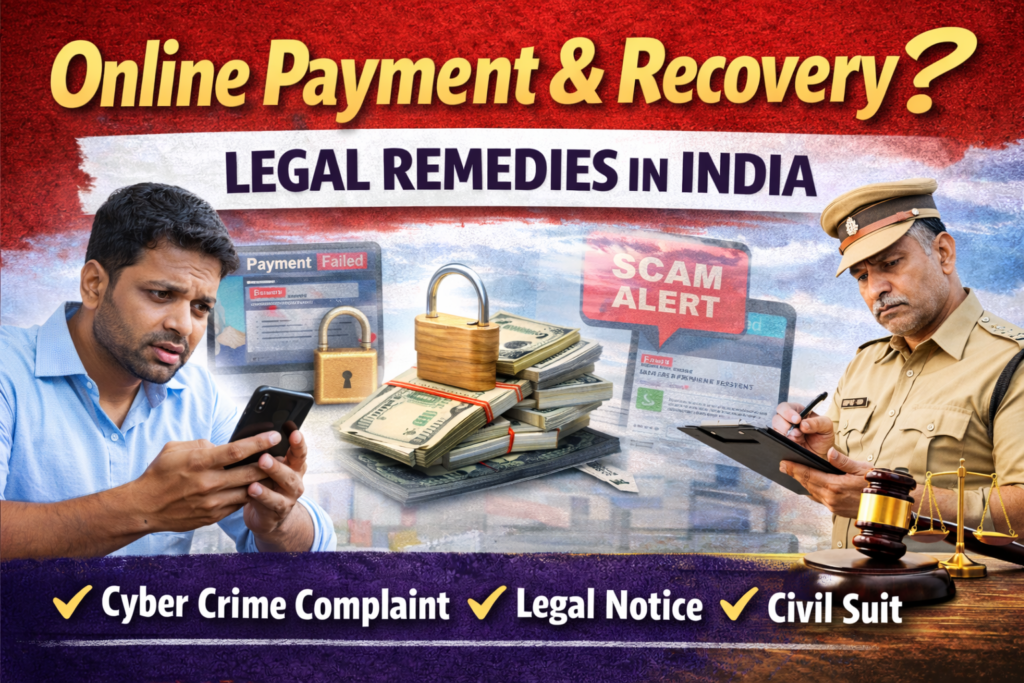
Image disclaimer: The featured image is illustrative and does not depict an actual victim, suspect, bank transaction or official notice.
Disclaimer: This article is for general legal information and awareness purposes only. It does not constitute legal advice or solicitation. Communication is purely informational, in compliance with Bar Council of India Rule 36.