
This article is published by The Legal Warning India and written by Advocate Uday Singh.
USA QR Code Parking Scam: How Fake Payment Codes Steal Money and Personal Information
A QR code can make parking payments quick and convenient. But a criminal can place a fake QR sticker over a genuine code and redirect you to a fraudulent payment page. The page may imitate a parking operator, request card details, collect personal information, or lead to additional scams.
In September 2026, the U.S. Federal Trade Commission warned consumers not to scan an unfamiliar QR code before checking where it leads. This article explains the risk, practical prevention steps, and what to do if you have already scanned a suspicious code.
Quick safety rule
Do not trust a QR code only because it is displayed on a parking meter, sign, poster, receipt, or vehicle. Verify the payment method through the official parking operator’s website or app.
What Is a QR Code Parking Scam?
A QR code parking scam is a form of payment or phishing fraud in which a criminal replaces or overlays a legitimate parking QR code with a malicious one. When scanned, the code may open a fake payment website, request card or banking details, download harmful software, or capture login credentials.
The scam may also involve a fake parking fine, fake account verification, or a message claiming that the user must pay immediately to avoid a penalty. The pressure to act quickly is a common warning sign.
How the Scam Usually Works
- A criminal places a sticker over a genuine QR code or displays a fake sign near a parking location.
- The user scans the code expecting to open a legitimate parking payment page.
- The website imitates a real parking operator and asks for card details, contact information, or account credentials.
- The victim enters information or makes a payment.
- The criminal may use the information for unauthorized transactions, identity theft, follow-up phishing, or further fraud.
Red Flags Before You Scan
- The QR sticker looks newly placed, poorly aligned, damaged, or layered over another code.
- The sign contains spelling mistakes, unusual branding, or a shortened web address.
- The page demands urgent payment, a large penalty, or unusual personal information.
- The website address does not match the official parking operator.
- The payment page asks for an account password, Social Security number, or unrelated identity information.
- The code directs you to download an unfamiliar app or enable unusual device permissions.
How to Pay for Parking More Safely
- Use the official parking operator’s app, downloaded from a trusted app store.
- Type the operator’s website address manually instead of relying on a QR code.
- Check the domain name carefully before entering card information.
- Compare the QR code with the surrounding sign and look for tampering.
- Use payment alerts and review bank or card transactions regularly.
- Never share one-time passwords, PINs, or online banking credentials with a person who contacts you unexpectedly.
What to Do If You Scanned a Suspicious QR Code
1. Stop interacting with the page
Close the page. Do not enter additional information, download unknown files, install an unfamiliar app, or call a phone number shown on a suspicious website.
2. If you entered card or bank details
Contact your bank or card issuer immediately using the number on the back of your card or the official banking app. Explain that your information may have been exposed through a phishing or QR-code scam. Ask what protective action is appropriate, including card replacement, account monitoring, or transaction review.
3. If you made a payment
Report the transaction promptly to the payment provider or financial institution. Ask whether a reversal, dispute, or other recovery process is available. Recovery is not guaranteed, and the applicable process may depend on the payment method and the facts.
4. If you downloaded an app or file
Disconnect the device from sensitive accounts where appropriate, remove the suspicious application if safe to do so, update the operating system, run a reputable security scan, and change passwords from a trusted device. If you suspect continuing compromise, seek qualified technical assistance.
5. Preserve evidence
Save screenshots of the QR code, sign, website address, payment page, receipts, transaction records, text messages, emails, and any phone numbers used. Record the location, date, approximate time, and amount involved. Do not edit the original evidence.
Where to Report a QR Code or Payment Scam in the USA
- FTC: Report fraud through ReportFraud.ftc.gov.
- FBI IC3: If the incident involves online criminal activity, submit information through ic3.gov.
- Local police: For a physical tampered parking meter, local police or the relevant parking authority may need to be informed.
- Parking operator: Notify the legitimate operator so it can inspect the location and warn other users.
Common Mistakes to Avoid
- Waiting several days before contacting the bank or card issuer.
- Deleting messages, receipts, screenshots, or the suspicious website address.
- Calling a phone number displayed on the fraudulent page.
- Paying an additional “recovery fee” to someone promising to retrieve the lost money.
- Assuming that a small initial payment means the account is safe.
When General Legal Guidance May Be Relevant
Legal guidance may be relevant where there is a substantial financial loss, disputed payment responsibility, identity theft, repeated harassment, or a need to organize evidence and communications with institutions. The appropriate route depends on the state, payment method, evidence, and the parties involved.
Read Also
- USA Online Scam: What to Do After Cyber Fraud or Payment Scam
- Bank Account Hacked in the USA? What to Do After Account Takeover
- How to Preserve Digital Evidence After an Online Scam
USA Jurisdiction Disclaimer
Advocate Uday Singh is an advocate in India and is not a U.S.-licensed attorney. This article provides general legal awareness and practical information only. It does not constitute legal advice under U.S. federal or state law, does not create an attorney-client relationship in the United States, and should not be treated as a substitute for advice from a qualified lawyer or relevant authority in the applicable jurisdiction.
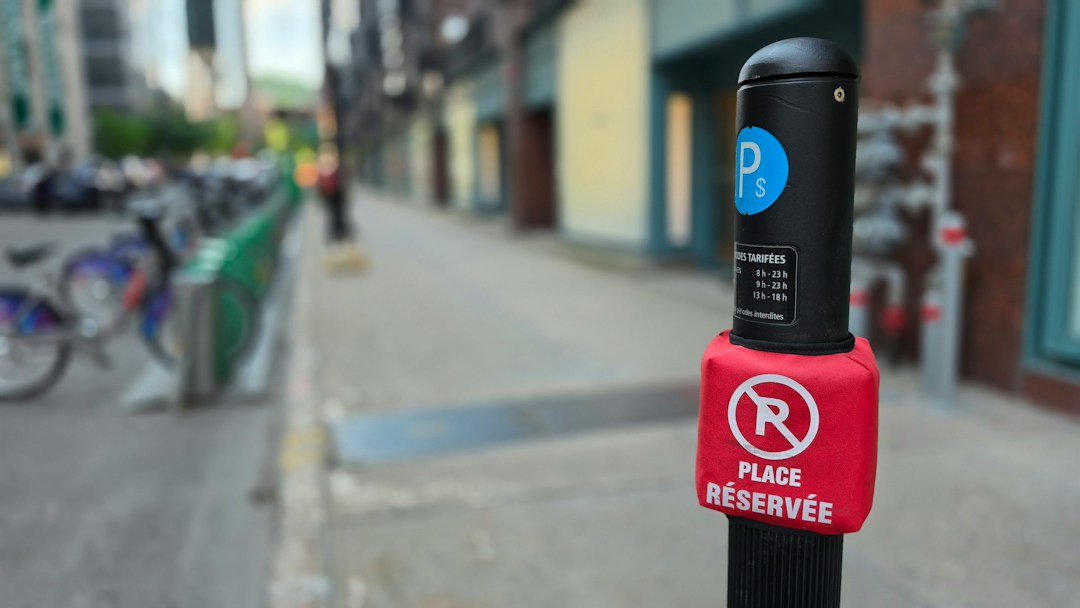
Image disclaimer: The featured image is used for general awareness and illustrative purposes. It does not depict an actual victim, investigation, government notice, or specific incident.
Disclaimer: This article is for general legal information and awareness purposes only. It does not constitute legal advice or solicitation. Communication is purely informational, in compliance with Bar Council of India Rule 36.

