Union Budget 2026–27 Explained: A Complete Legal and Economic Analysis
Introduction: Why Today’s Budget Matters
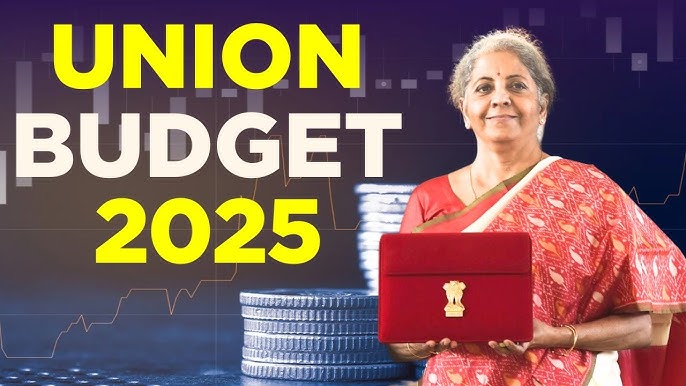
The Union Budget 2026–27 was presented today in Parliament at a time when India stands at a critical intersection of global uncertainty and domestic opportunity. Far beyond an annual financial statement, this Budget reflects the government’s legal, economic, and fiscal priorities for the coming decade.This analysis explains the Budget in simple language while examining its legal, economic, and practical impact on citizens, businesses, professionals, and investors. The information discussed is based on publicly available budget documents and news reports.
Overall Fiscal Vision of Budget 2026–27
The government has positioned this Budget as a continuation of its long-term reform agenda rather than a short-term populist exercise. The emphasis is clearly on macroeconomic stability, infrastructure-led growth, and structural transformation.The projected fiscal deficit for FY 2026–27 is approximately 4.3% of GDP, reflecting a calibrated approach towards fiscal consolidation without compromising growth expenditure.
Capital Expenditure: Infrastructure as the Growth Engine
One of the most significant highlights of the Budget is the allocation of more than ₹12 lakh crore towards capital expenditure. This marks a continued belief that infrastructure investment is the strongest multiplier for economic growth.Major focus areas include highways, railways, logistics corridors, ports, airports, and urban infrastructure. From a legal and economic perspective, such investments stimulate employment, private investment, and long-term productivity.
Manufacturing, Technology and Strategic Sectors
The Budget strengthens India’s ambition to become a global manufacturing hub. Key announcements include expanded support for semiconductor manufacturing, electronics, green technology, and advanced industrial production.From a legal compliance angle, this will also increase the need for regulatory adherence, contract enforcement, intellectual property protection, and dispute resolution mechanisms for businesses entering these sectors.
Agriculture and Rural Economy
Agriculture and allied sectors continue to receive policy attention, with increased allocations aimed at improving productivity, value addition, and rural income stability.Rather than direct subsidies, the Budget focuses on modernization, agri-technology, storage, supply chains, and market access. This signals a shift from welfare-centric support to sustainable rural economic development.
Healthcare and Social Sector Spending
Healthcare allocations reflect the government’s intention to strengthen medical infrastructure, pharmaceutical manufacturing, and access to essential medicines. Measures relating to cancer drugs and critical healthcare inputs are expected to reduce long-term treatment costs.From a legal standpoint, this also has implications for healthcare regulation, pharmaceutical compliance, and public-private partnerships.
Education, Skills and Human Capital
The Budget reinforces the role of education and skill development as pillars of long-term growth. Increased spending on research, innovation, digital learning, and skilling programs aims to prepare India’s workforce for a technology-driven economy.Legal and regulatory reforms in education and training sectors will be essential to ensure accountability and quality delivery.
Taxation: What Changed and What Did Not
One of the most discussed aspects of any Budget is taxation. In Budget 2026–27, there have been no major changes in personal income tax slabs. While this may disappoint some salaried taxpayers, the government has opted for stability rather than disruption.On the direct tax front, the emphasis remains on simplification, compliance reduction, and dispute minimization. Indirect tax measures focus on rationalisation rather than aggressive rate changes.
Capital Markets and Investment Climate
The Budget introduces selective changes affecting capital markets, including adjustments in transaction-related taxes. These measures are aimed at balancing market participation with revenue considerations.From an investor’s perspective, the continued focus on policy predictability and infrastructure investment strengthens India’s long-term investment attractiveness.
Legal and Regulatory Implications
Every Budget also acts as a legal instrument, triggering amendments to tax laws, regulatory frameworks, and compliance obligations. Businesses and professionals must carefully track changes introduced through the Finance Bill.Non-compliance or delayed adaptation to new provisions often results in disputes, penalties, and litigation. Early legal awareness is therefore crucial.
Criticism and Public Debate
As expected, the Budget has received mixed reactions. Critics argue that immediate relief for the middle class is limited, while supporters highlight the long-term vision and discipline reflected in the proposals.Such debate is natural in a democratic economy and underscores the balancing act between growth, welfare, and fiscal prudence.
Who Benefits the Most?
- Infrastructure and construction sectors
- Manufacturing and technology companies
- Export-oriented industries
- Start-ups and innovation-driven enterprises
- Long-term investors
Who May Feel Limited Immediate Impact?
- Salaried middle-class taxpayers
- Households seeking short-term inflation relief
- Sectors dependent on direct subsidies
Long-Term Economic Impact
The Union Budget 2026–27 is best understood as a forward-looking document. Its success will depend on execution, regulatory clarity, and sustained policy consistency.If implemented effectively, the Budget has the potential to support stable growth, enhance global competitiveness, and strengthen India’s legal and economic institutions.
Conclusion
The Union Budget 2026–27 prioritises growth over short-term gratification. While it may not offer dramatic immediate relief, it lays a structured foundation for long-term economic resilience, infrastructure expansion, and institutional stability.For citizens, businesses, and professionals, understanding the legal and economic implications of the Budget is essential to making informed decisions in the year ahead.
▶ Request Online Consultation