For general legal information and awareness purposes only.
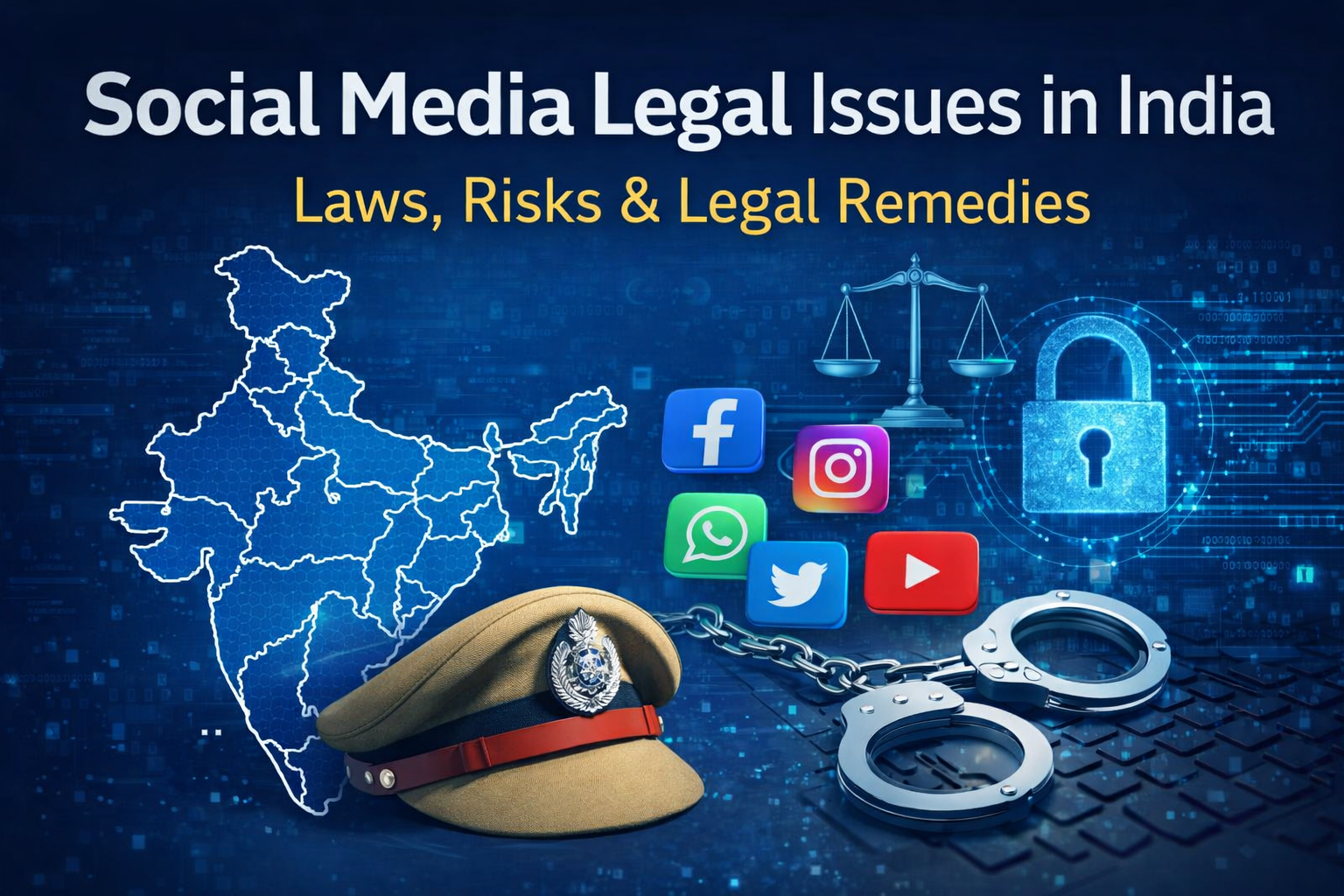
Social Media Legal Issues in India: Laws, Risks, and Legal Remedies Explained
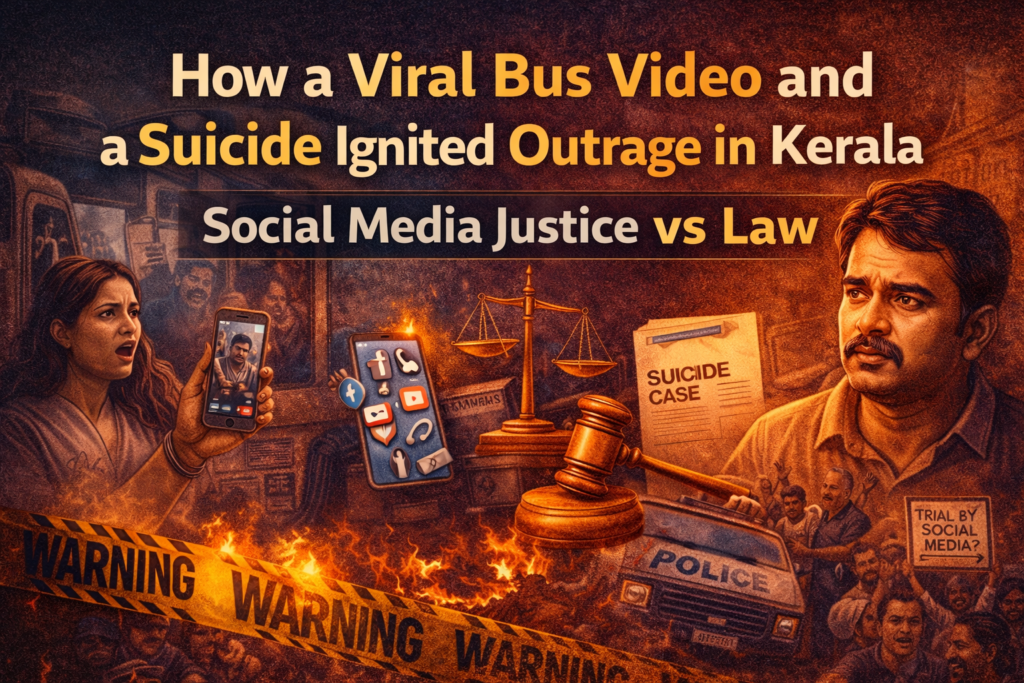
Social media platforms like Facebook, Instagram, WhatsApp, X (Twitter), and YouTube have become an integral part of daily life. However, misuse of social media has also led to a sharp rise in legal disputes, cyber crimes, and criminal prosecutions across India.
This article explains the most common social media legal issues in India, applicable laws, penalties, and what legal remedies are available to victims.
1. Defamation on Social Media
Posting false statements, morphed images, or misleading content that harms the reputation of a person or organisation amounts to defamation.
- Criminal Defamation: Sections 499 & 500 IPC
- Civil Defamation: Claim for damages and injunction
Even sharing or forwarding defamatory content can make a person legally liable.
👉 Related legal concept:
Difference Between Civil Recovery and Criminal Case
2. Online Abuse, Threats & Cyber Harassment
Abusive comments, threats, stalking, and trolling on social media constitute cyber harassment.
Applicable Laws:
- Section 354D IPC – Cyber Stalking
- Section 506 IPC – Criminal Intimidation
- Section 66C & 66D IT Act – Identity Theft & Cheating
Victims can lodge a cyber complaint online or approach the local police station.
👉 Read more:
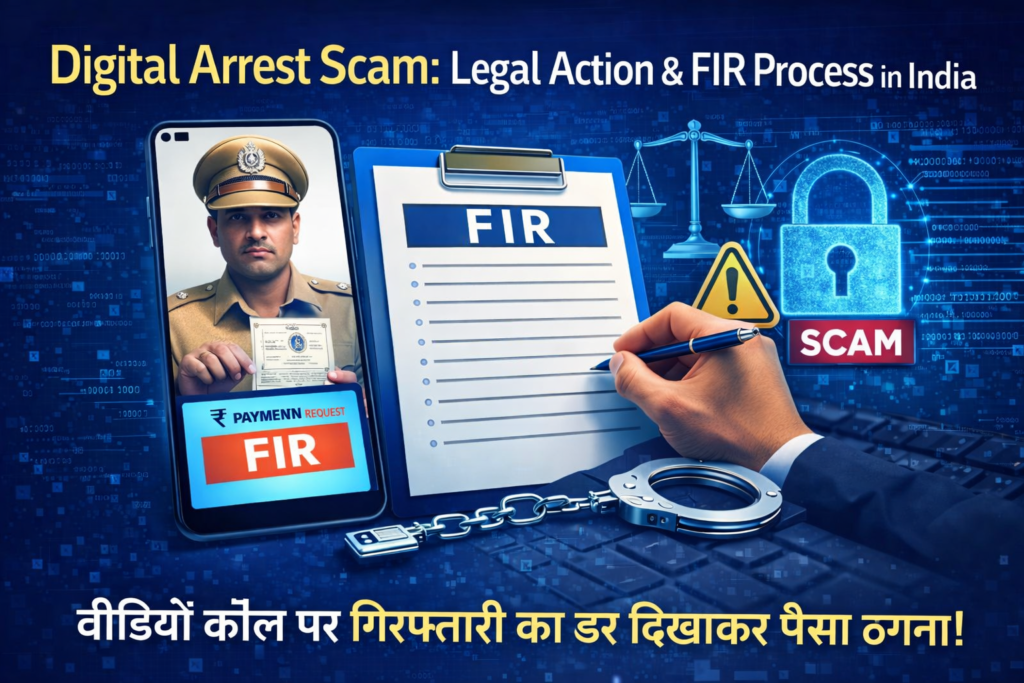
How to File an FIR for Online Offences
3. Fake Profiles & Impersonation
Creating fake social media accounts using someone else’s name, photos, or identity is a serious offence.
- Section 66C IT Act – Punishment up to 3 years
- Section 419 IPC – Cheating by impersonation
Courts have repeatedly held that impersonation on social media violates the fundamental right to privacy.
4. Posting Objectionable, Obscene or Illegal Content
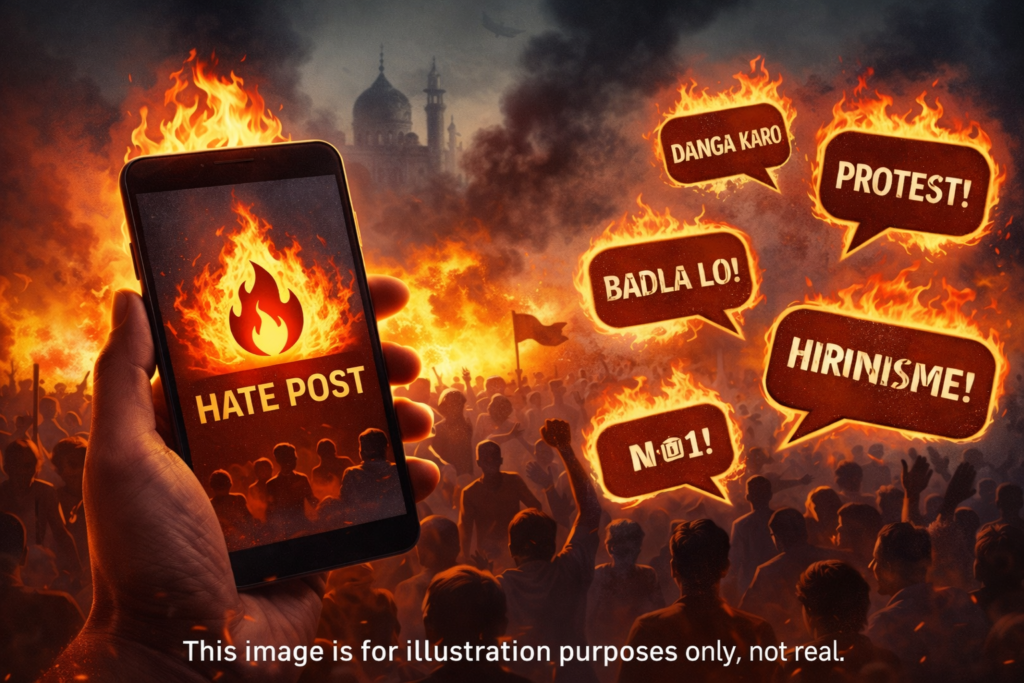
Uploading or sharing obscene videos, hate speech, or content promoting violence can lead to arrest without warrant.
Key Provisions:
- Section 67 IT Act – Obscene content
- Section 153A IPC – Promoting enmity
- Section 295A IPC – Hurting religious sentiments
5. Legal Consequences of Forwarding Content
A common myth is that only the original creator is responsible. In reality, forwarding illegal content also attracts liability.
Courts have held that forwarding objectionable content amounts to publication.
6. Role of Police & FIR in Social Media Crimes
Police can register FIRs for social media offences under IPC, IT Act, and BNSS provisions.
👉 Understand FIR procedure:
When Police Can Register FIR Without Court Order
7. How to Protect Yourself Legally on Social Media
- Never post or forward unverified content
- Avoid abusive or threatening language
- Do not share private images or chats
- Report fake profiles immediately
- Preserve evidence (screenshots, URLs)
8. Can You Take Legal Action?
Yes. Victims can:
- File FIR or cyber complaint
- Send legal notice
- Approach court for injunction
- Claim compensation for mental harassment
Need Legal Help for a Social Media or Cyber Crime Issue?
Conclusion
Social media is a powerful tool, but misuse can result in severe legal consequences. Awareness of social media laws in India is essential to avoid criminal liability and protect digital rights.
If you are facing any social media-related legal issue, timely legal advice can prevent escalation and safeguard your rights.
Written by:
Uday Singh, Advocate
Practicing at High Court & District Courts
Antarrashtriya Manavadhikar Association – Prabhari
Communication is purely informational and not an advertisement.