Family Court Maintenance Affidavit – Income Disclosure Rules Explained (Deep Analysis)
This article is published by The Legal Warning India and written by Advocate Uday Singh.
Information is based on family court practice, statutory provisions, and publicly available judicial principles.
Why Maintenance Affidavit Is the Most Important Document
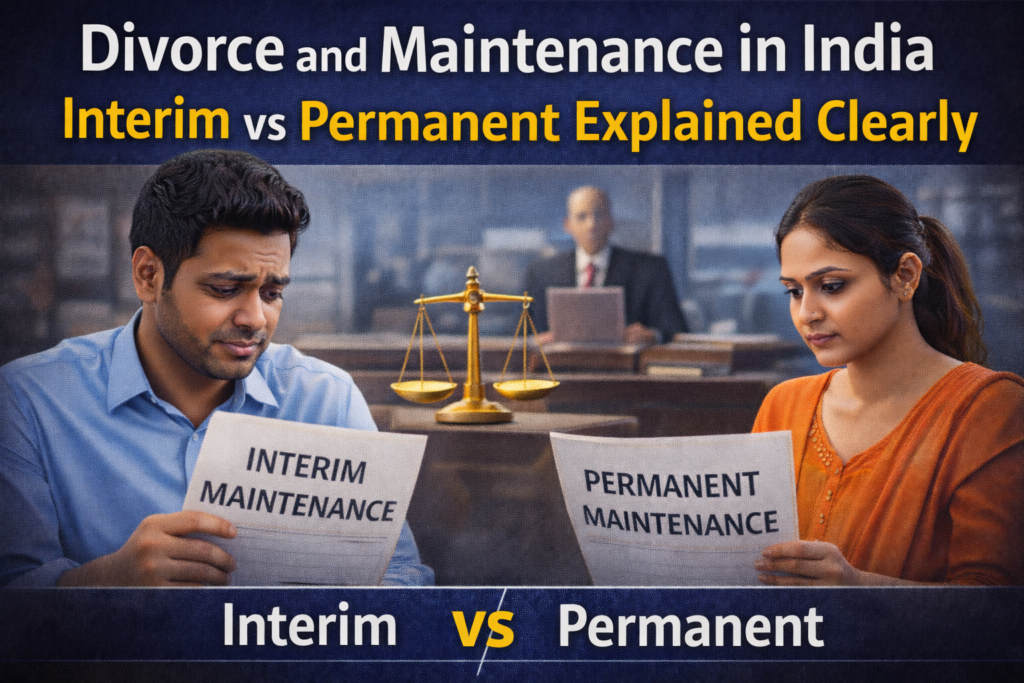
In divorce and maintenance cases, courts increasingly rely on a detailed Income, Assets and Expenditure Affidavit. This affidavit forms the foundation on which interim maintenance and permanent alimony are decided.
Many parties underestimate its importance. In reality, a weak or false affidavit can seriously damage the entire maintenance case.
Legal Background – Why Courts Ask for Affidavits
Maintenance proceedings under Section 24 and Section 25 of the Hindu Marriage Act are summary in nature. Courts do not conduct long trials at the interim stage.
Therefore, courts depend on:
- Sworn affidavits
- Supporting documents
- Comparative financial disclosure
The affidavit acts as a declaration made on oath.
What Is a Maintenance Affidavit?
A maintenance affidavit is a sworn statement disclosing:
- All sources of income
- Movable and immovable assets
- Monthly expenses
- Loans and liabilities
Both husband and wife are usually directed to file affidavits.
What Income Must Be Disclosed?
The disclosure requirement is broad. Courts expect disclosure of:
- Salary / professional income
- Business income
- Rental income
- Interest, dividends, bonuses
- Foreign income (if any)
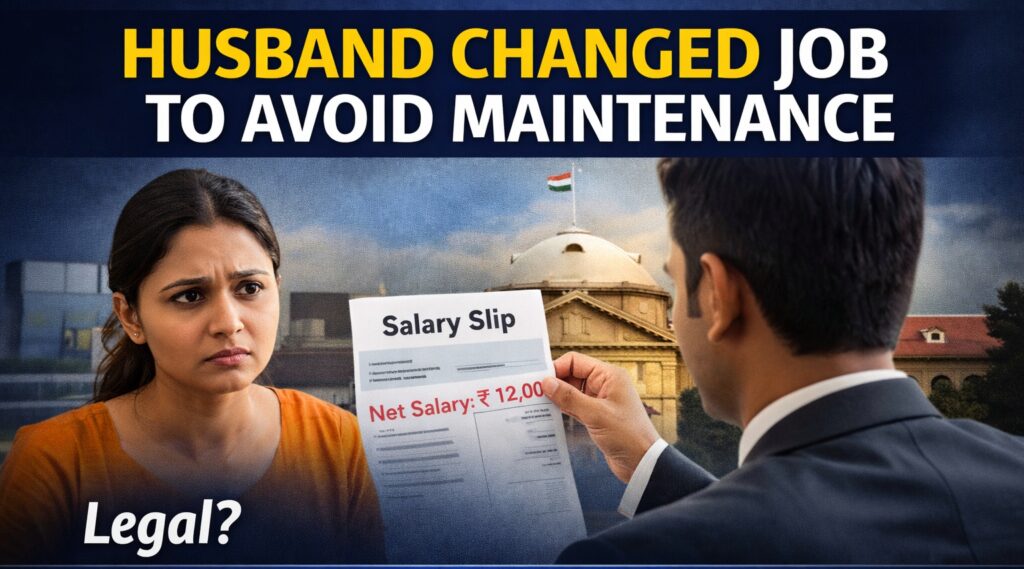
Merely disclosing “net salary” is often considered insufficient.
Disclosure of Assets – Not Optional
The affidavit must also include:
- Bank accounts (all)
- Fixed deposits, mutual funds
- Vehicles
- Property ownership or share
Even jointly held or inherited assets may need disclosure, depending on facts.
Disclosure of Monthly Expenses
Expenses should be realistic and supported where possible:
- Rent / housing expenses
- Food and household costs
- Medical expenses
- Children’s education
Inflated expenses without proof often weaken credibility.
What Happens If Income Is Hidden?
If a party deliberately conceals income or assets:
- Court may draw adverse inference
- Maintenance may be fixed on notional income
- Credibility of the party is damaged
In serious cases, false affidavits can attract legal consequences.
False Affidavit – Serious Legal Consequences
Filing a false affidavit is not a minor issue. It may lead to:
- Rejection of defence
- Adverse cost orders
- Initiation of separate legal proceedings
Courts expect honesty, even if income is low.
How Affidavit Impacts Interim Maintenance
Based on affidavits, courts assess:
- Income difference between parties
- Standard of living during marriage
- Actual financial capacity
To understand the filing process, also read:
How to File Interim Maintenance Application in a Divorce Case
Documents That Support Maintenance Affidavit
The affidavit must be supported by documents. A detailed checklist is explained here:
Documents Required for Maintenance Case During Divorce
Common Mistakes in Maintenance Affidavits
- Not disclosing side income
- Suppressing bank accounts
- Showing zero income without explanation
- Copy-paste affidavits without case-specific facts
Practical Advice for Parties
For Applicant
- Be honest and detailed
- Attach relevant documents
- Explain unemployment with proof
For Respondent
- Do not understate income
- Respond with facts, not assumptions
- Challenge false claims legally
Conclusion
The maintenance affidavit is not a formality. It is the backbone of maintenance adjudication. Courts value transparency and consistency far more than aggressive claims.
An honest affidavit often protects a party better than exaggerated allegations.
This article is for general legal information and awareness purposes only. It does not constitute legal advice or solicitation. Communication is purely informational, in compliance with Bar Council of India Rule 36.